


by Richard Uhlhorn
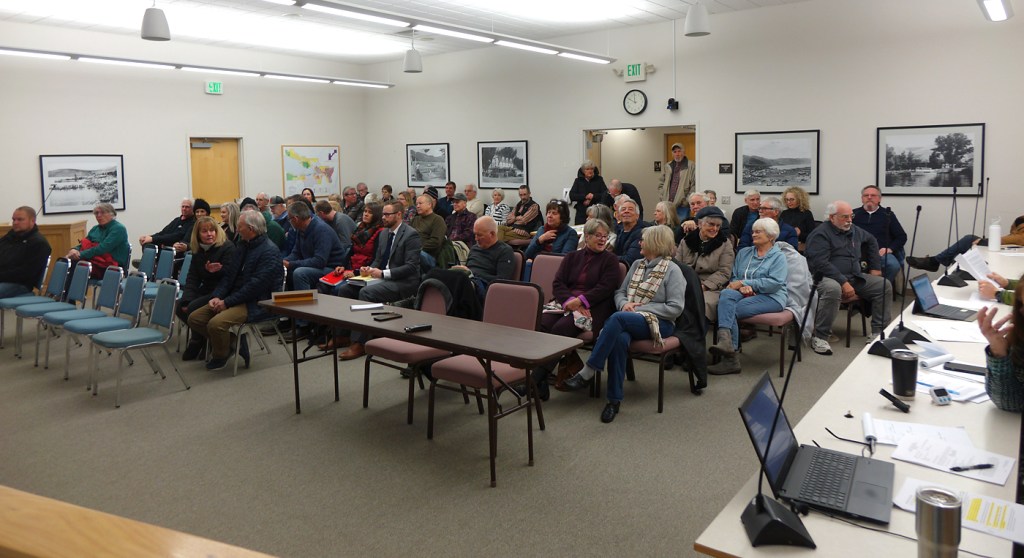
The Bluewater Terrace’s development application issues will come to fruition in the next five to seven days as Andy Kottkamp, Chelan County Hearing Examiner, reviews all of the material he has been provided from the City Staff, Developer and the concerned public.

At a hearing on Thursday morning, Kottkamp remarked that over 50 written comments on the proposed development had been received. He informed the crowded council chambers that his decision would be final and conclusive. The decision he makes can be appealed within 21 days of his decision.
Bluewater Terrace has created a number of concerns in the Community. The proposal is for a resort style winery/tasting room and vineyard with wine production on site including 20 homestay units and an event center for up to 120 people.
The proposal is for a Conditional Use Permit (CUP) under the guise of the City’s agritourism code. The ag tourism code was initially developed so that working farms could have a homestay on site to add to the farms sustainability.
Bluewater Terrace has no agricultural use at this time. The plan is to circumvent that issue by building a winery and tasting room with production facilities. One of the questions is whether or not wineries, producing or not, are considered agriculture.
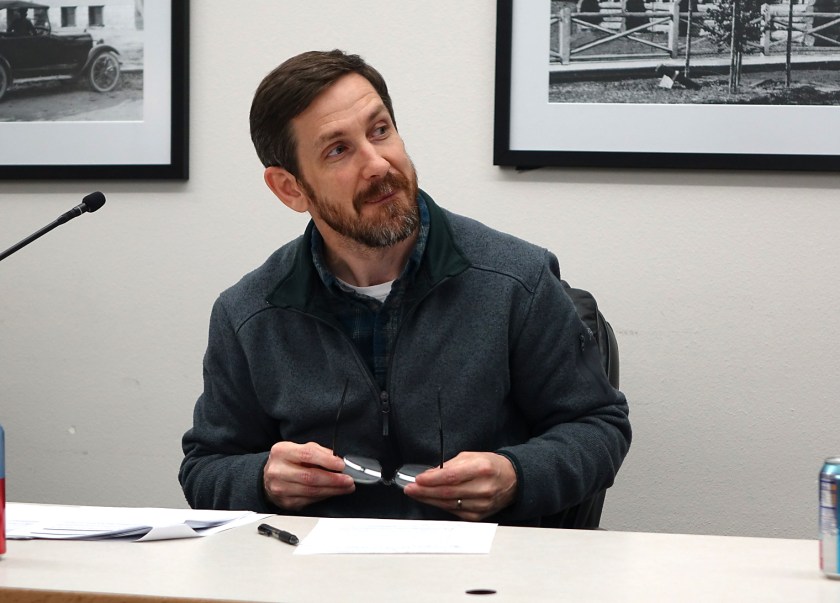
During his staff report, John Ajax, community development director, stated that staff had reviewed the CUP review criteria and said, “The applicant is proposing new agriculture on this site. They are providing vineyard and a production winery as an agri-business.”
Issues with the proposal have been forthcoming via written testimony for months. One of the most prevalent is access to the highway for which the applicant (Tim McDonald) has proposed moving the existing road farther east and build it to City street standards. This, according to his representative, Adam Haynie, will increase safety at the intersection of Hwy. 150 and Bluewater Road (the name they will call the new road).
The Haynie stated that the private access currently in use to serve nine residential properties is a private matter since the City doesn’t recognize Lenore Road as a city owned road. “We will coordinate with them,” said Haynie

Another issue that the community is concerned with is the addition of 20 homestay units (STRs) on the property. Haynie, stated buildout for the resort will take 10 years, also stated that the property is no longer feasible to use as an orchard. He also said that the income from the winery must be more than the homestay.
Kottkamp asked Haynie who long it would take for the vineyard plantings to produce wine grapes? Haynie deferred to McDonald who said it would take three years for the vineyard to produce wine grapes and that production facility would also need to purchase grapes from outside the area.
Kottkamp also asked how the 20 homestay units would support the winery? Haynie replied that the presentations on how wine is produced.
Public Comments:
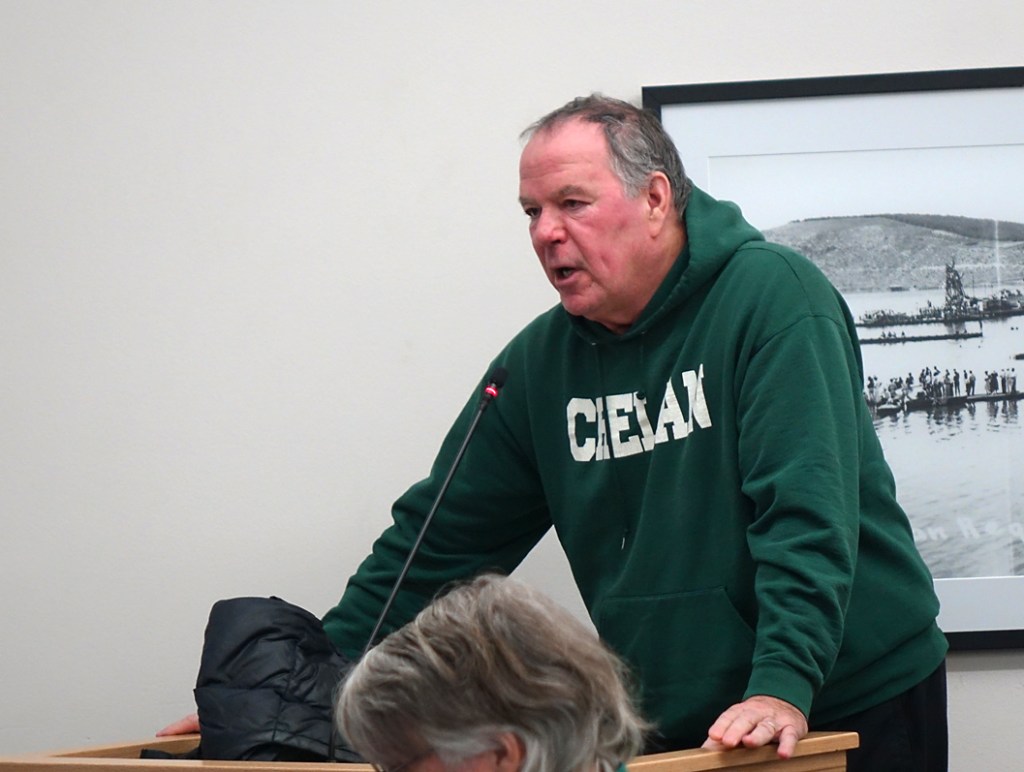
Mike Cooney was mayor when the property was annexed into the city with idea that it would be built out as a residential neighborhood. He remarked that the move from a single family residential development to an ag-tourism resort was responsible. “Think about that,” Cooney said.
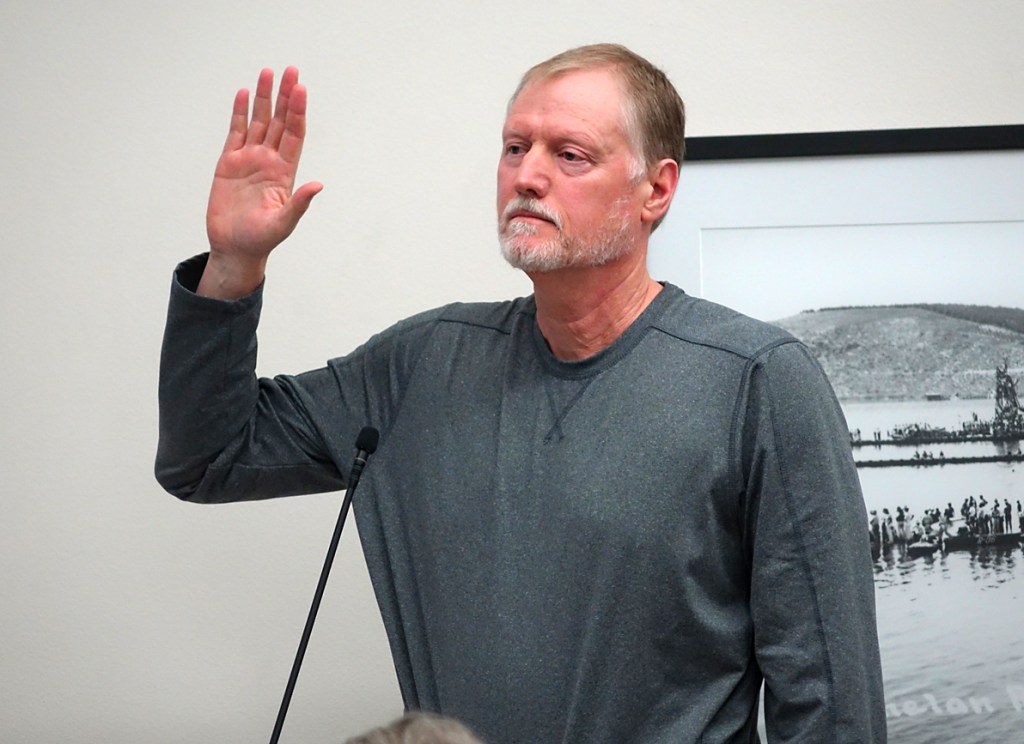
Brian Patterson said the proposed development was inappropriate for 20 homestay units. Stating that the development would not reach full capacity for the next five years, Patterson wondered why it was even being talked about at this stage. “It might support one or two homestay units,” said Patterson.
He had also written a 15 page comment for his testimony outlining all of the issue he sees with the development application.
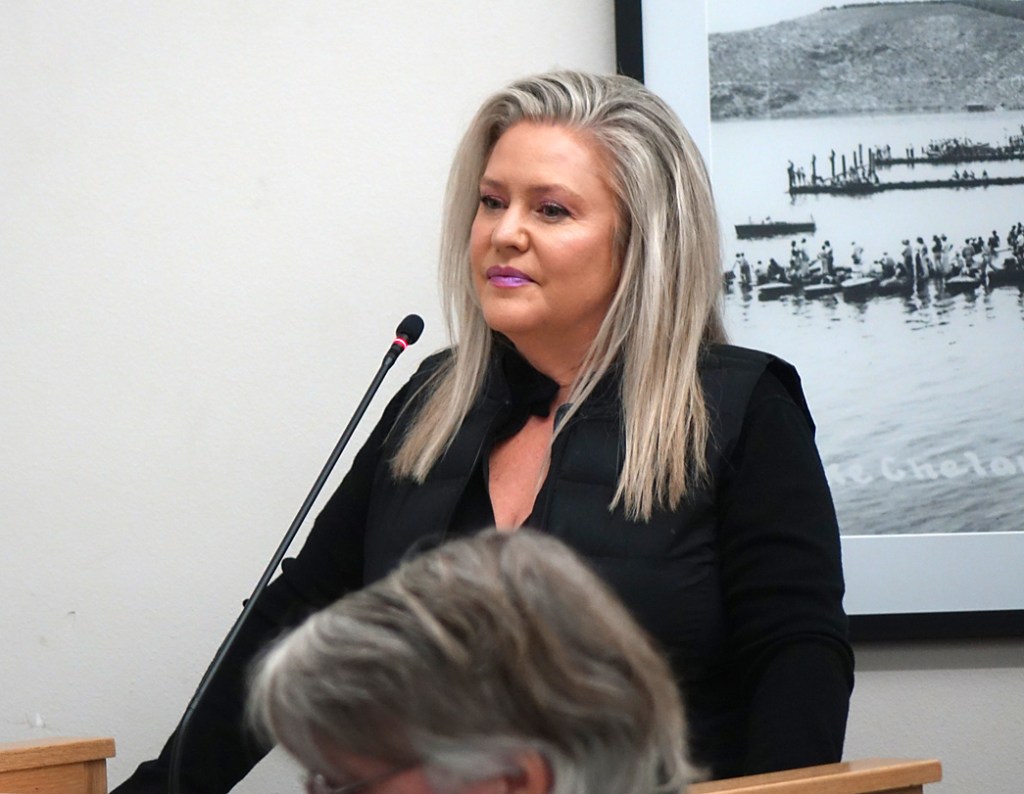
Kari Sorenson, Manson business owner, stated that she has been a STR and Long Term rental owner and remarked that the applicant’s estimated use of STRs at the development was very understated. “We need to figure out what we are looking at,” she said. Haynie estimated homestays at three and one-half weeks. Sorenson said it was more like four months based on her rentals in Manson. “At $600 a night average,” she stated.
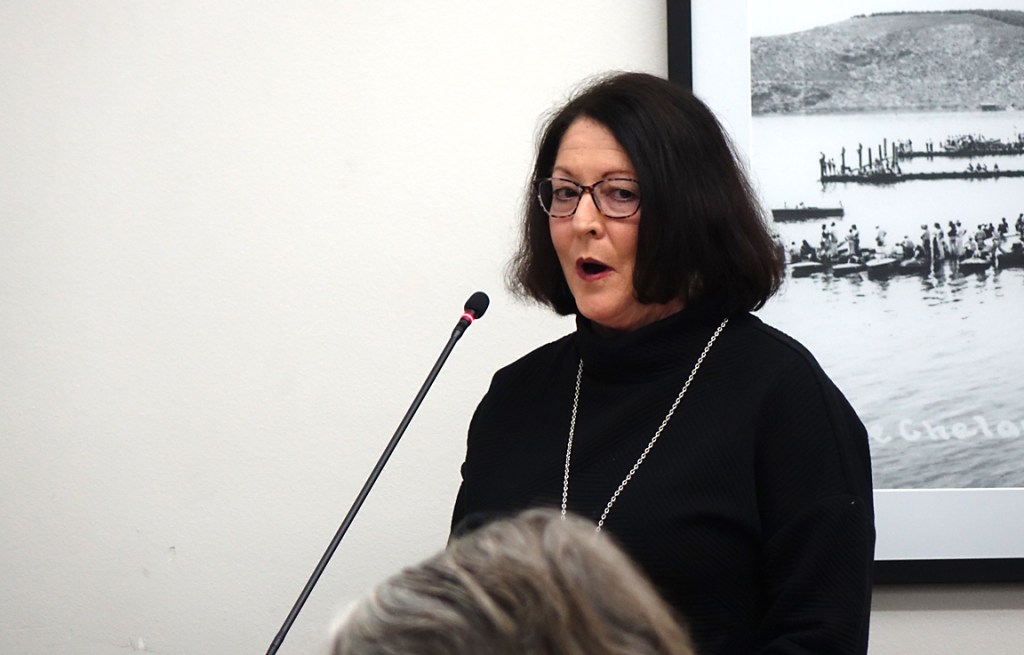
Julie McCoy said she was very concerned about the poor municipal code on agritourism. “I feel this is a very poor municipal code,” she said. She added that homestays would be the primary profit center. “Ag-tourism use does not support even one home stay. The applicant is hard pressed regarding primary income. It is the tail wagging the dog.”
After the public hearing was closed, Kottkamp stated that he was not taking the testimony lightly. “There are issues that need to be resolved,” he said. “I appreciate all comments and the lack of emotion,” stated Kottkamp.
He said he would apply the findings of fact and make his decision as it applies to the law.
Kottkamp told the audience to pay attention to the City and Planning Commission to stay informed. “You all add a degree of legitimacy to the process.




 All Things Lake Chelan