

by Richard Uhlhorn
Lake Chelan is the most precious resource in the valley. It has been the catalyst to the economic success of the valley from apples to tourism. However, as a resource, the lower lake, in particular, is being pressured from climate change, wildfires, pollution, recreational use and the real potential of aquatic invasive species (AIS) being introduced to the lake via watercraft.
“Preventing new AIS introduction to the lake is a top priority,” said Nate Hough Snee, principal ecologist at Meadow Run Environmental. “Zebra mussels have been heavily monitored,” he added. Washington State Fish & Wildlife Department (WDFW) has been proactive in protecting AIS from entering the state at the various border crossings.

The Lake Chelan Watershed Planning Unit has a boat inspection program during the active boating season on the lake. Obviously, checking watercraft three days a week does not come close to protecting the lake. Education is the major key to keeping Lake Chelan free of the potential introduction of Zebra or Quagga mussels which if accidentally introduced, could cost millions of dollars to eradicate.
AIS has become a subcommittee to the Lake Chelan Collaborative effort and will have itsown addendum. “It will be approved and adopted as a part of the final Watershed Plan,” Mike Caputa, Chelan County Natural Resources Director.

At the March 11 AIS meeting, Nate Hough-Snee, Meadow Run Environmental, stated that the group would be sharing some out of the basin perspectives on efforts to keep aquatic invasive species from entering their systems. This included presentations by Adam Pfleegar on Chelan County’s noxious weeds; Whatcom County’s AIS Prevention Program; Seattle City Light’s Skagit Hydroelectric efforts; and Idaho Power’s efforts to control an already mussel problem.
Whatcom County probably has the most active AIS prevention program in the State. Last year they inspected 15,572 vessels and found 591 boats requiring additional attention. It’s AIS Enforcement Control program interacted with 775 vessels and found 533 AIS violations.
Hough-Snee asked how Whatcom County use their interactions with vessels to move forward. The presenter stated that every year they review all data during the off-season. They also operate a seasonal team.
Lake Chelan AIS program:
The Lake Chelan Watercraft Inspection Program will have its 2026 plan in place by March 2026 and its Watershed AIS Plan Outline by March 20. The inspection plan will be presented at the June 3, meeting.
Currently, Washington has been extremely pro-active keeping aquatic invasive species like quaaga, zebra and golden mussels out of the state. The Washington Department of Fish and Wildlife inspects all vessel entering the state a various border entry points. However, it is up to the Lake Chelan group to inspect and stay vigilant. Education is an important facet to the program.
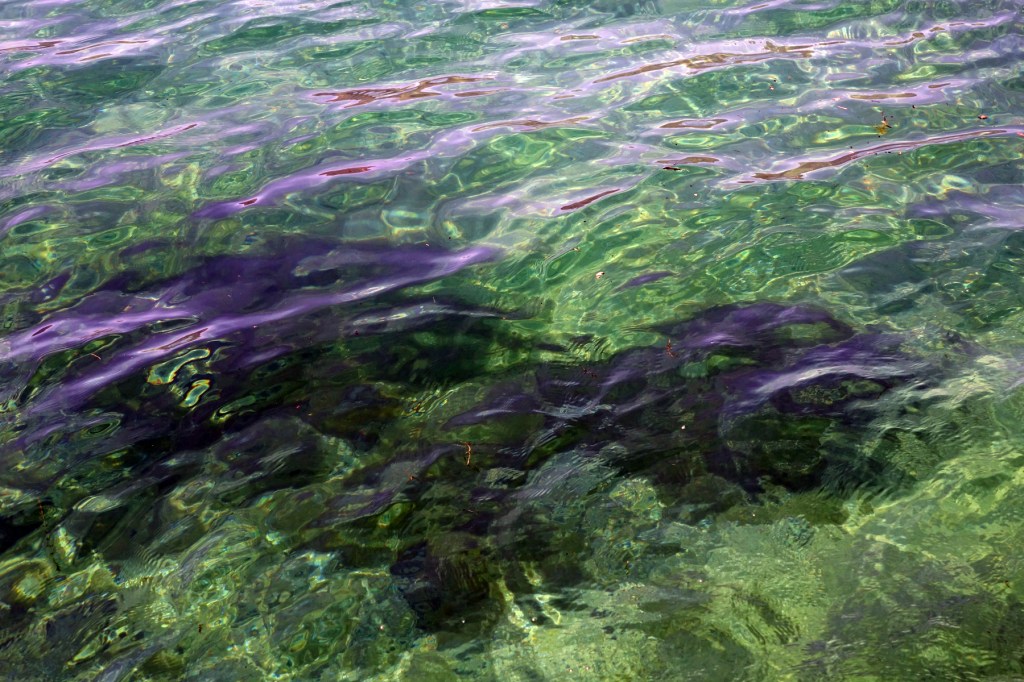
Milfoil has already been introduced to both Lake Chelan and Domke Lake. Years ago, Lake Chelan had approximately 20 acres of milfoil, but that invasion has grown to over 500 acres. It is estimated that its removal by diver assisted methods would cost in the neighborhood of $5 to $7 million.
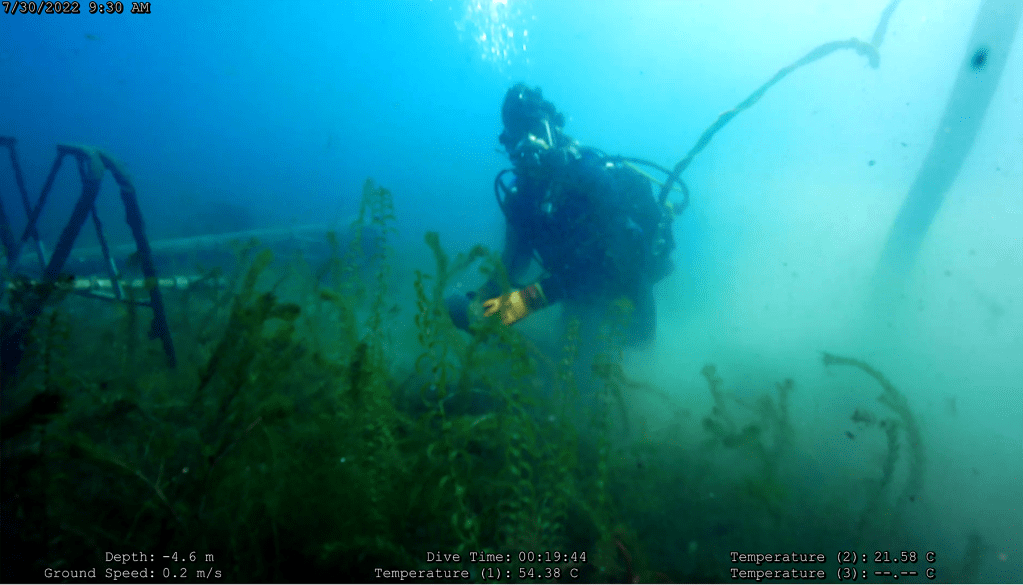
Milfoil has also entered Domke Lake, probably by float plane from the Columbia River.
Anna Galipeau, Lake Chelan Research Institute (LCRI), brought up freshwater clams in the lake and would like to bring in an expert to determine what impact these clams are having on the lake environment.
She also brought up the Restore the Shore event that takes place on Saturday, March 21 from 9:30 to 12:30 with a following reception at Campbell’s River Room from 1 p.m. to 3 p.m.
Last year, the LCRI with the help of Chelan Project high school students catalogued over 15,000 items collected.

 All Things Lake Chelan