by Richard Uhlhorn
Dr. Phil Long is the 2026 recipient of the Secchi Disk Award. This award is presented annually and recognizes an individual who has made an outstanding contribution to the science, management, or protection of lakes in Washington or Idaho.

Mike Kaputa, Chelan County Natural Resources Director recommended the award and said, “Dr. Phil Long has single-handedly brought together well-regarded scientists,local community leaders, and volunteers to advance the science and application of water-quality practices at Lake Chelan,” Kaputa said. “Lake Chelan is a jewel of Washington and now has several related water-quality science and protection efforts in place, with many more to come because of Phil’s efforts.”
“I am humbled to receive this award when I consider the contributions of previous recipients,” Long said. “I am grateful to my colleagues; to organizations such as the Chelan County Public Utility District; and to the individuals who donate to LCRI or volunteer their time. Lake Chelan is vastly understudied compared with other highly valued lakes. We are working to change that with growing support from individual donations and agency grants.”
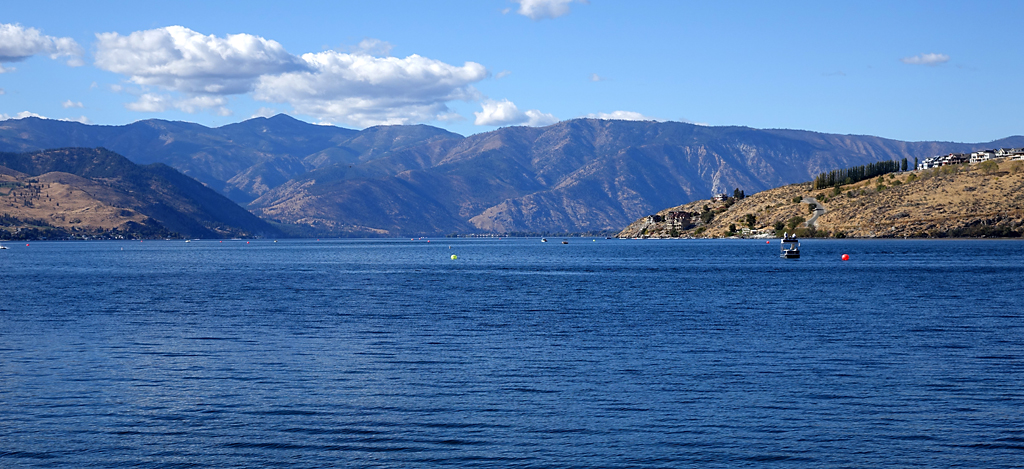
A little over 10 years ago, the Lake Chelan Research Institute was formed to study Lake Chelan and all of the facets of its pristine nature. Over that 10 years, the Institute has seen changes to its pristine waters.
The Institute has a much better understanding of the lake’s pristine condition from the shoreline to deeper waters. In the beginning, Phil Long, director, concentrated on measuring visibility, oxygen levels and other measurements from a number of stations in the lower Wapato basin, basically from the middle of the lake. This, over the 10 years has provided a large data base that ultimately will show changes in the lake’s quality.
The addition of a monitoring device at Sunset Marina is helping add to the base understanding of the year round changes to the lake and ultimately creating a long term look of these changes.

All of this monitoring of water quality has been accomplished by a group of volunteers who have offered their boats as a research platform for collecting data on a monthly basis. Most of the data collection points in the middle of the lake have shown little changes to water quality.
However, over the 10-year period, near-shore changes have been reported. Some lakeshore residents have noticed increasing algae growth on rocks, docks, and pilings which has shifted focus to the near shore health of the lake. In addition to algae growth which has consumed research time, the expansion of Eurasian milfoil and other plants has grown from a mere four acres to over 20 acres.
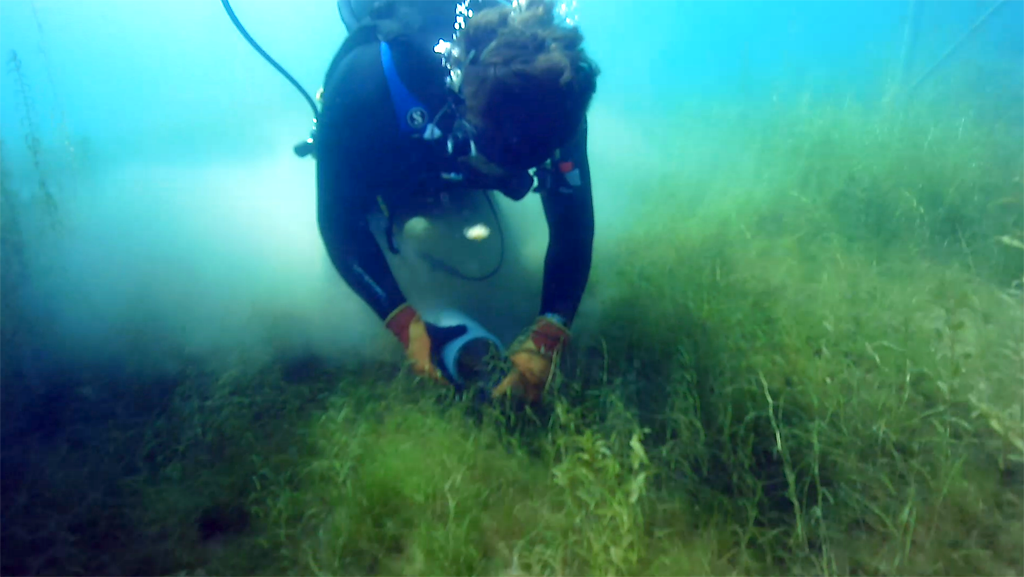
The Institute hired a commercial diving firm to employ DASH (Diver Assisted Suction Harvesting) to remove milfoil. The test program, while working, was found to be an extremely expensive method of removing milfoil.
The number of priority concerns that have emerged from the monitoring are:
- Potential spread and introduction of Invasive Species (AIS)
- Stormwater runoff carrying orchard chemicals and other pollutants
- Nutrient inputs and algae growth in the littoral zone
- Pollution and sediment influx
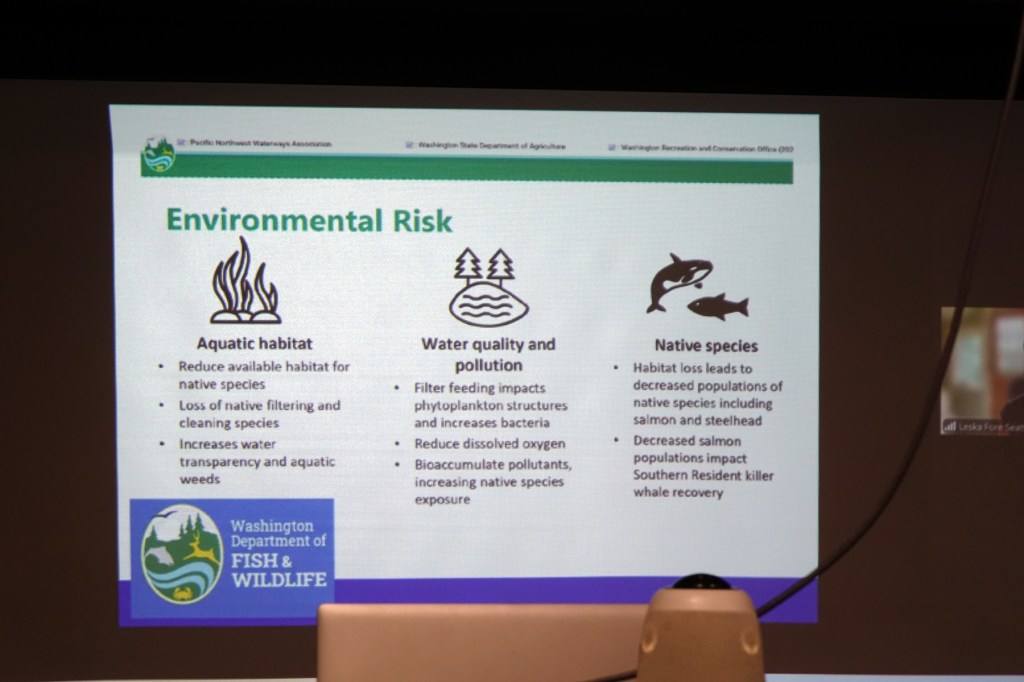
The potential spread of an invasive species like the Quagga, Zebra or Golden Mussels has become a major priority for the Institute and its partners (Chelan County Natural Resource Department and the Department of Fish and Wildlife) with an AIS program to monitor vessels accessing the lake.
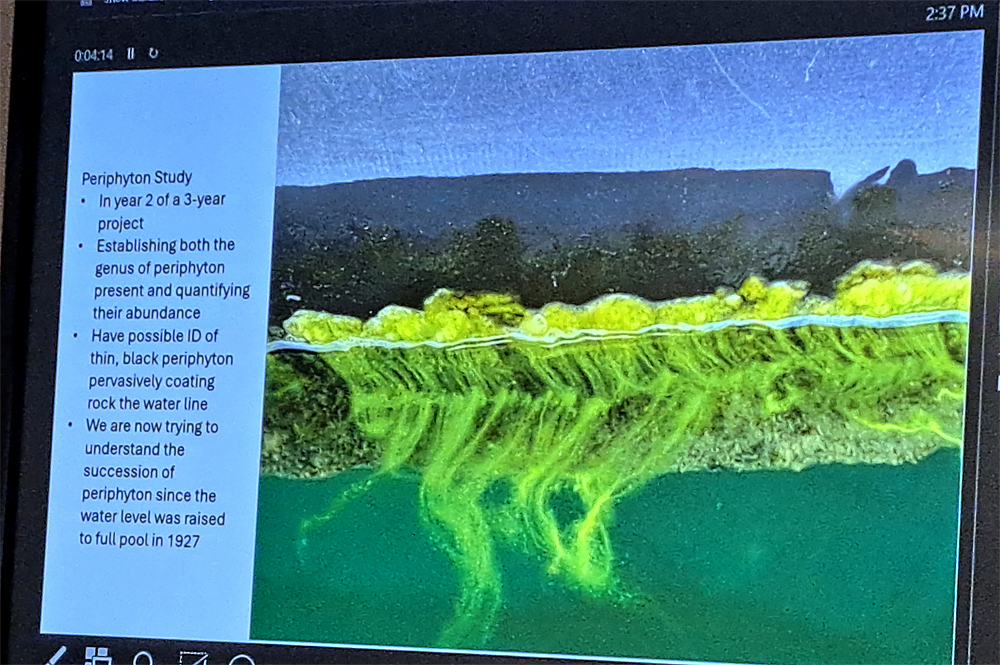
Nutrient inputs are also being studied to determine the causes. One major source of nutrient input to the lake is from over fertilizing lawns on the shoreline. It is also thought that the Canadian Geese population is also contributing to inputs.
Lake Chelan also has the highest concentration of DDT in the state which shows up in the Lake Trout population. The Department of Health has issued warnings regarding Lake Trout consumption. DDT enters the lake sediments from orchard drainage from when this herbicide was used years ago.
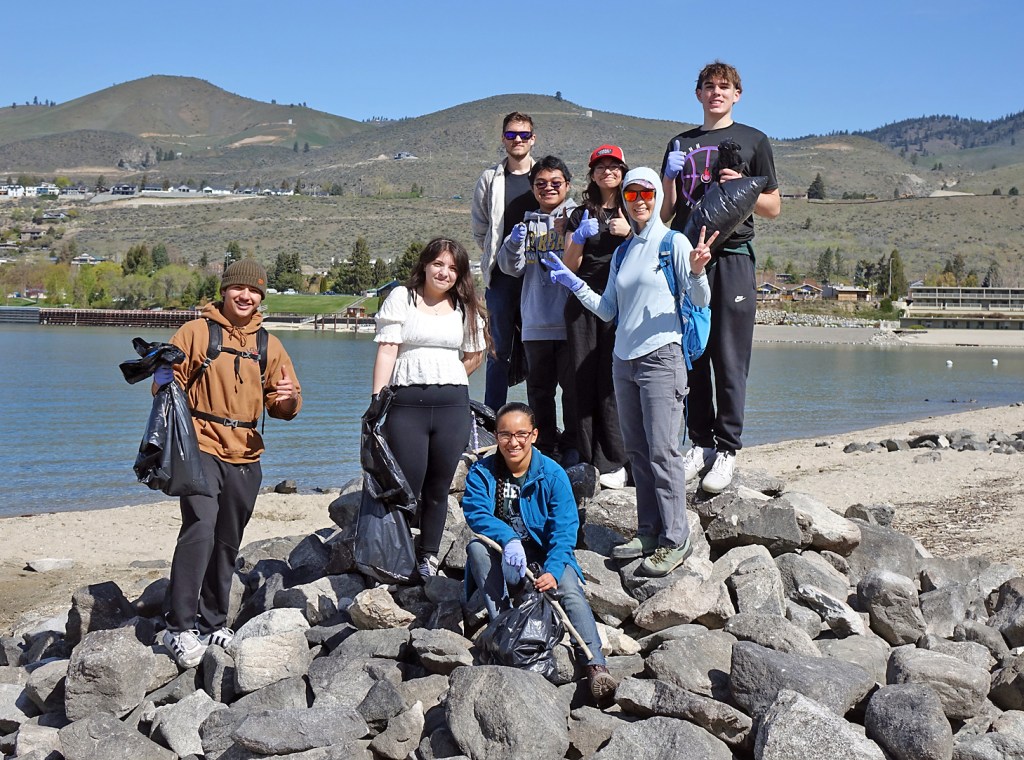
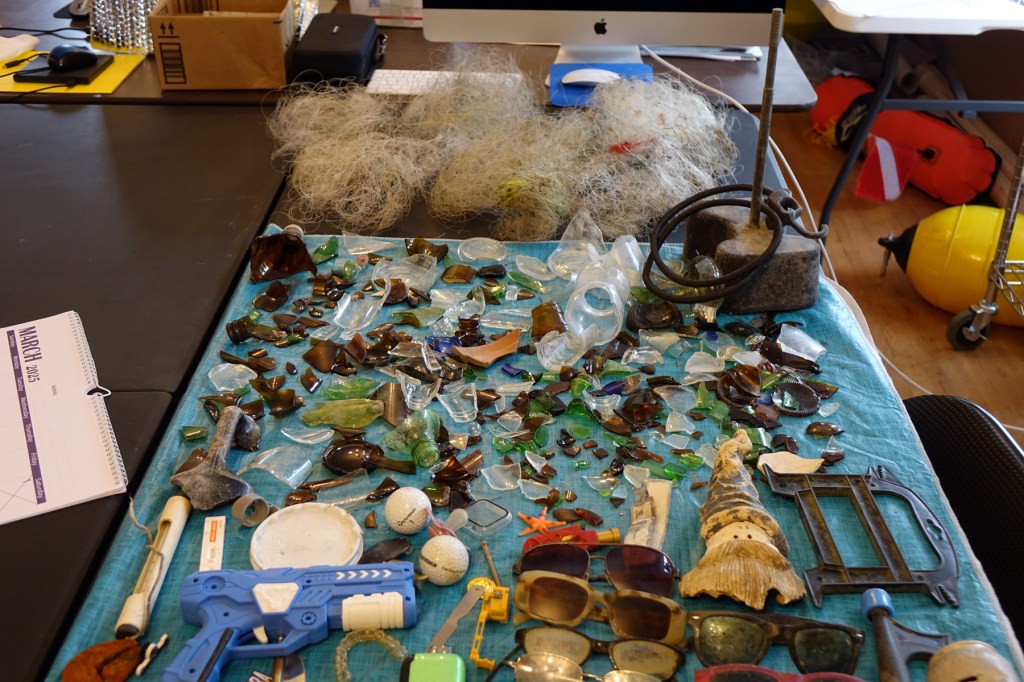
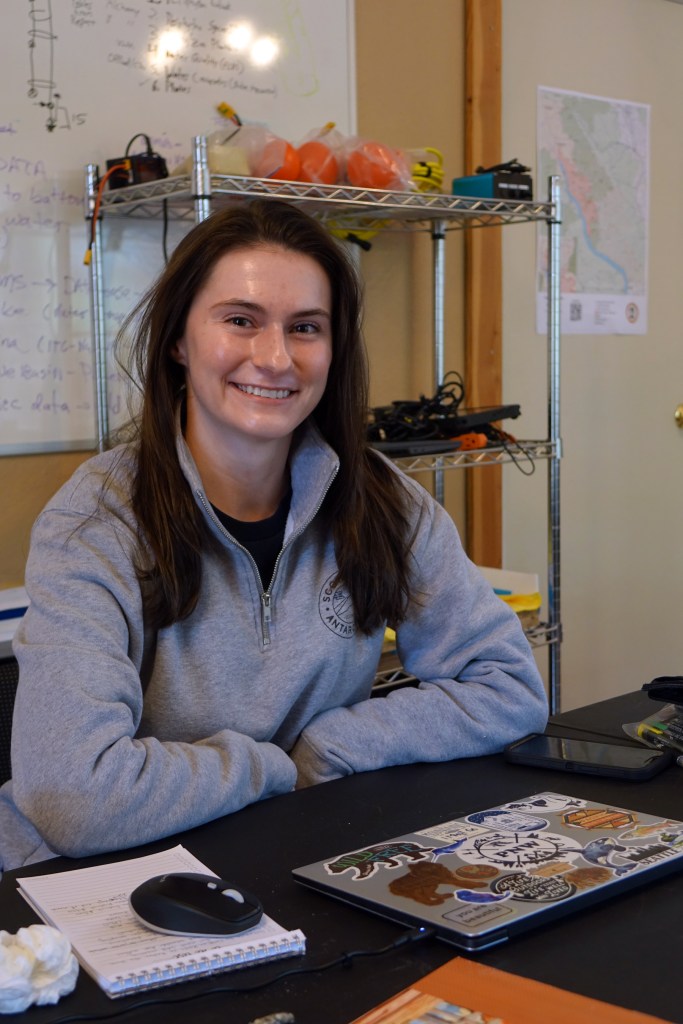
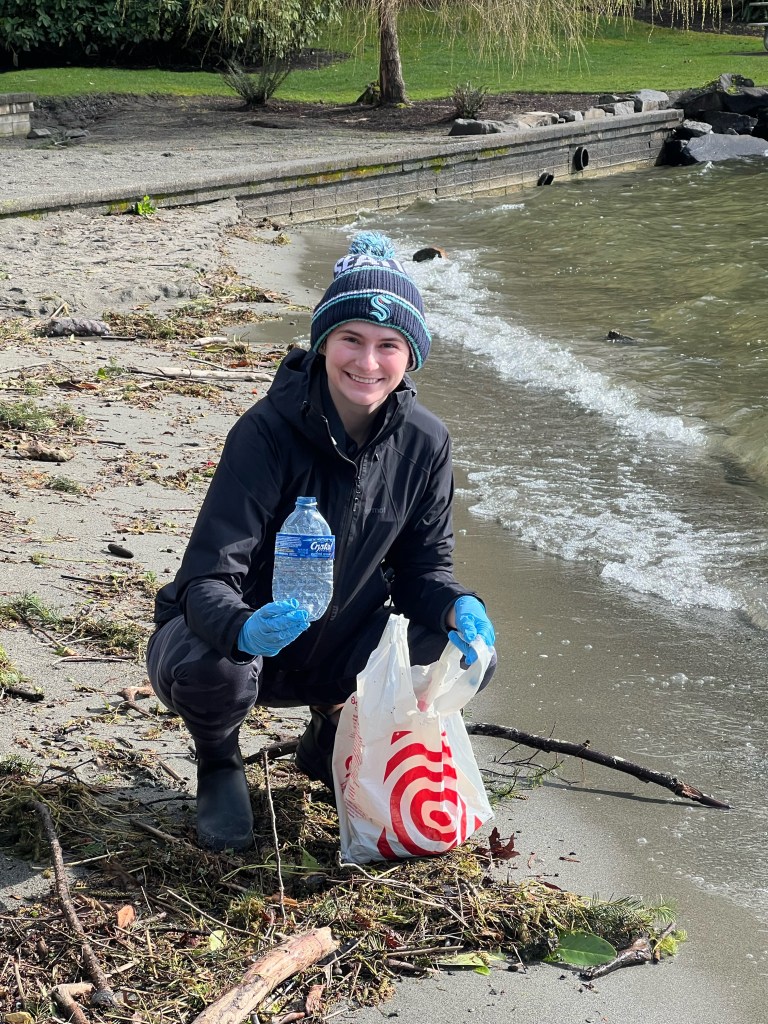
Other programs initiated by the Lake Chelan Research Institute is the Restore the Beach project run by the Institute’s Anna Galipeau. Each spring volunteers come out to pick up garbage on the beach that has been deposited over the years.
Long has also engaged the use of an underwater remote vehicle to study the lake’s geology. This project has discovered several interesting underwater slides.
The Institute is gaining support from universities and other organizations. Primary monetary support comes from the City of Chelan, Lake Chelan Reclamation District, Chelan County, Department of Ecology, National Park Service and Chelan County PUD.
Other organizations support the research with in-kind contributions.