City Council approves new contract with Chamber of Commerce

by Richard Uhlhorn

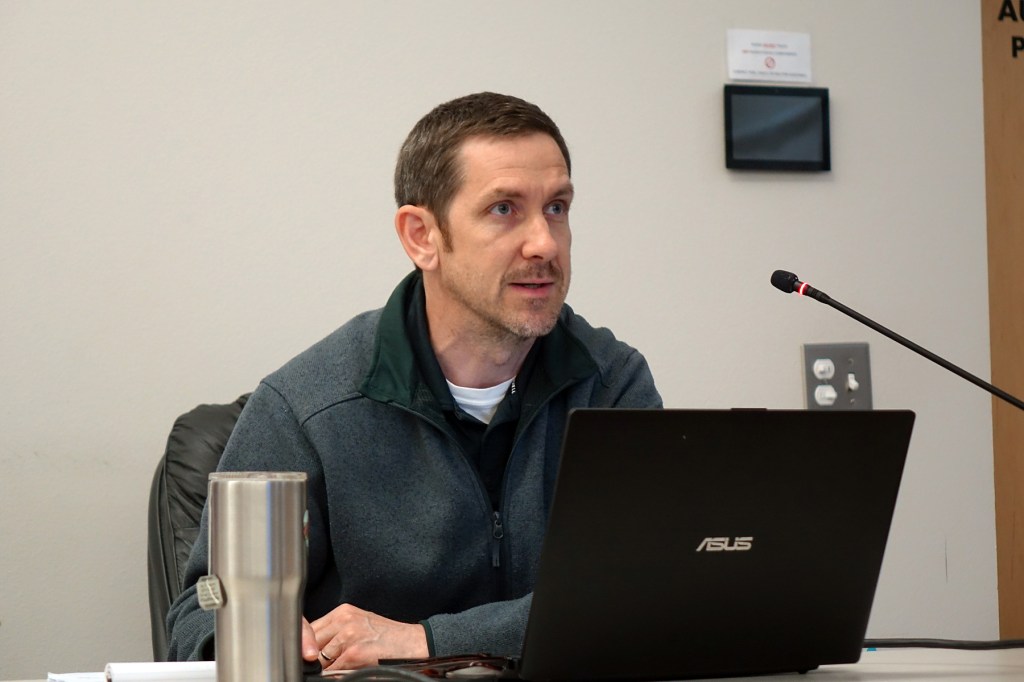
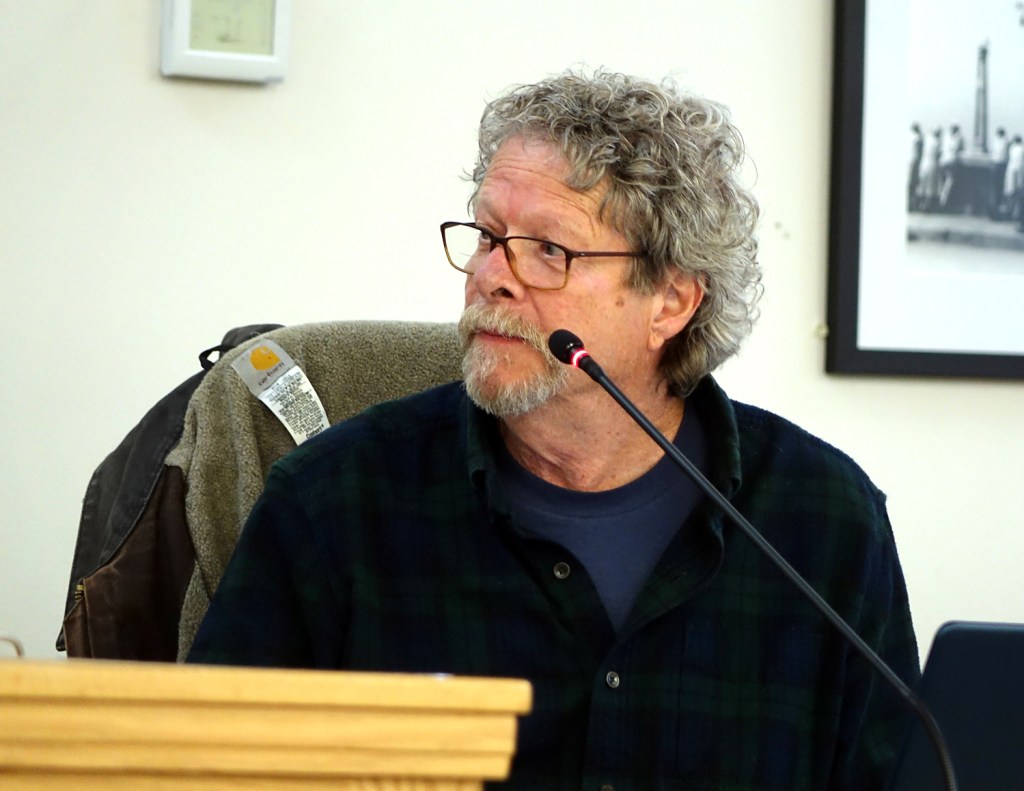
The Lake Chelan Chamber of Commerce has a new and revised contract that will be in effect until December, 2026. The contract was approved by four of the seven person council on Tuesday, April 8. Voting No, was councilman Brad Chitty; abstaining was Jon Higgins; and absent from the meeting was Terry Sanders.

Prior to voting on the motion to approve the new contract, councilmembers had a robust discussion concerning several aspects of the new contract.

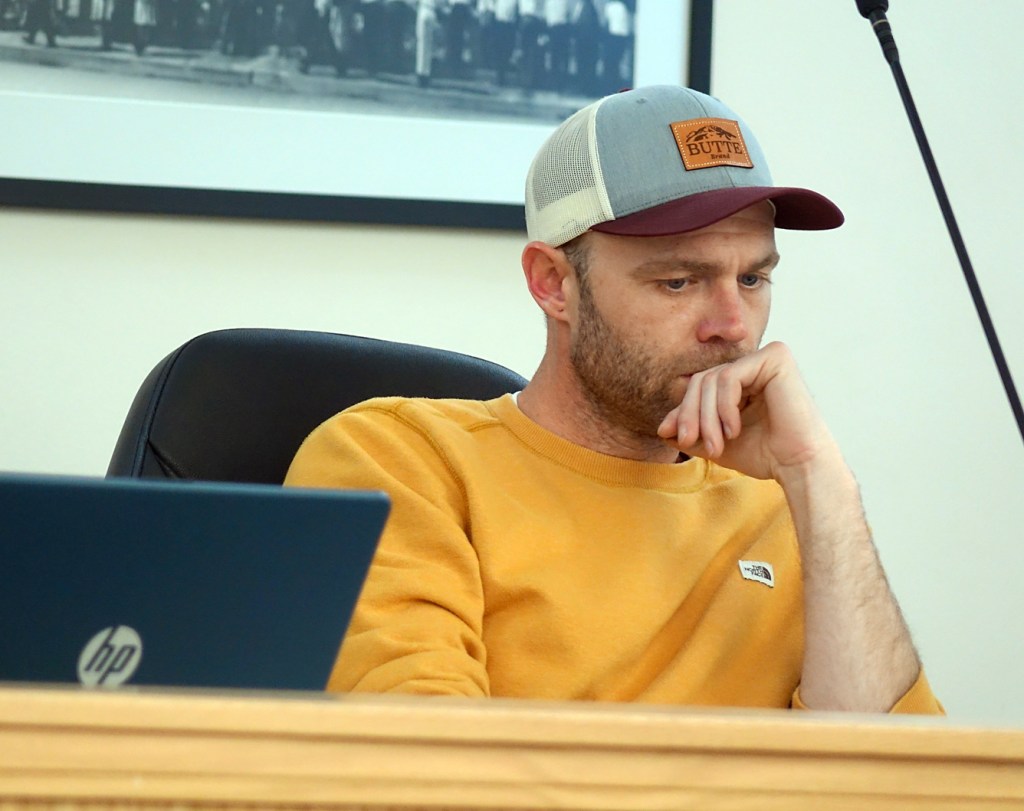
“When this discussion started it was for a five-year extension and $700,000 per year,” said Chitty. “It is time to regroup. I propose to keep it at $700,000 for the next two years while we plan.”

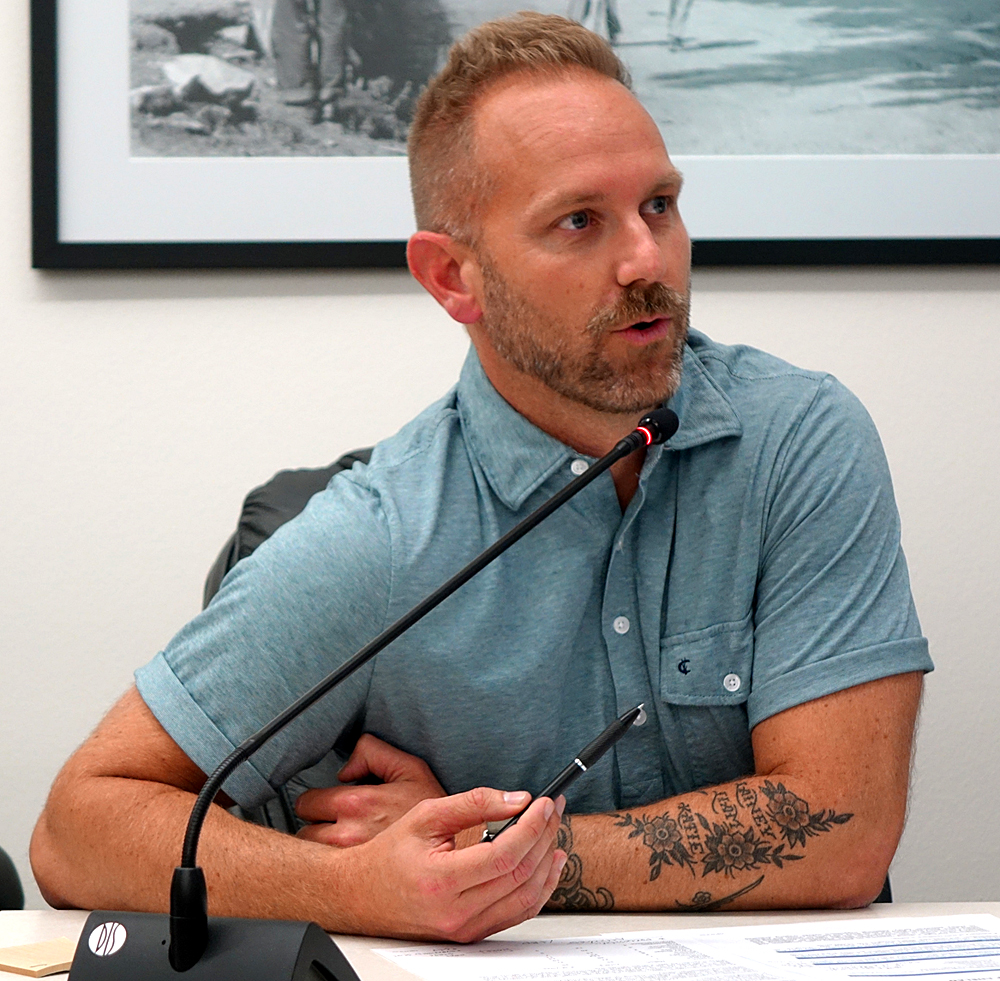
Councilman Brad Chitty was the lone councilmember to vote No on the current iteration of the Chamber contract.

At issue was Point 5 a 2 extending for the period through December 31, 2026 where the city would agree to pay the Chamber 20% of the average total city lodging tax collections from the two prior calendar years.

City Administrator Wade Ferris asked about the 20% concept. “What does that 20% look like. Higgins replied that it was a considerable amount of money that would be added to the $700,000 on a yearly basis.

Chitty stated that it was his understanding that the committee would review the $700,000. “I think transparency is important,” he said. Shari Dietrich stated that she supports Chitty’s proposal to keep it at $700,000.

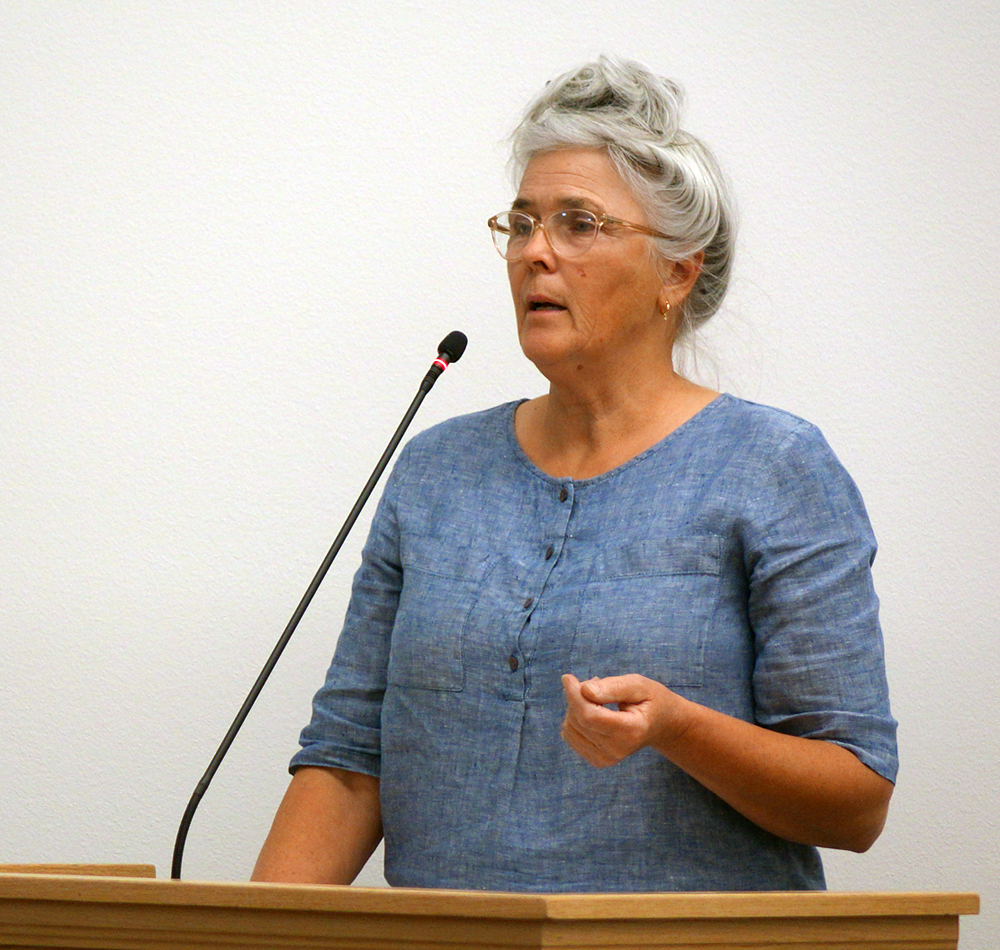
Shari Dietrich agreed with Chitty but ended up voting for the new contract that will end December 2026.

However, Tim Hollingsworth said things had gotten more expensive. “Twenty percent of 2024 is $400,000. We need the resources to provide for people who come here,” he said. “I would like consensus on the board that instead of a minimum of $700,000 we make it a maximum of $750,000 in the two-year contract. That is a modest increase.”

“I understand what you are saying,” said Farris. “There is a reason why we spent so much time to put this together.”
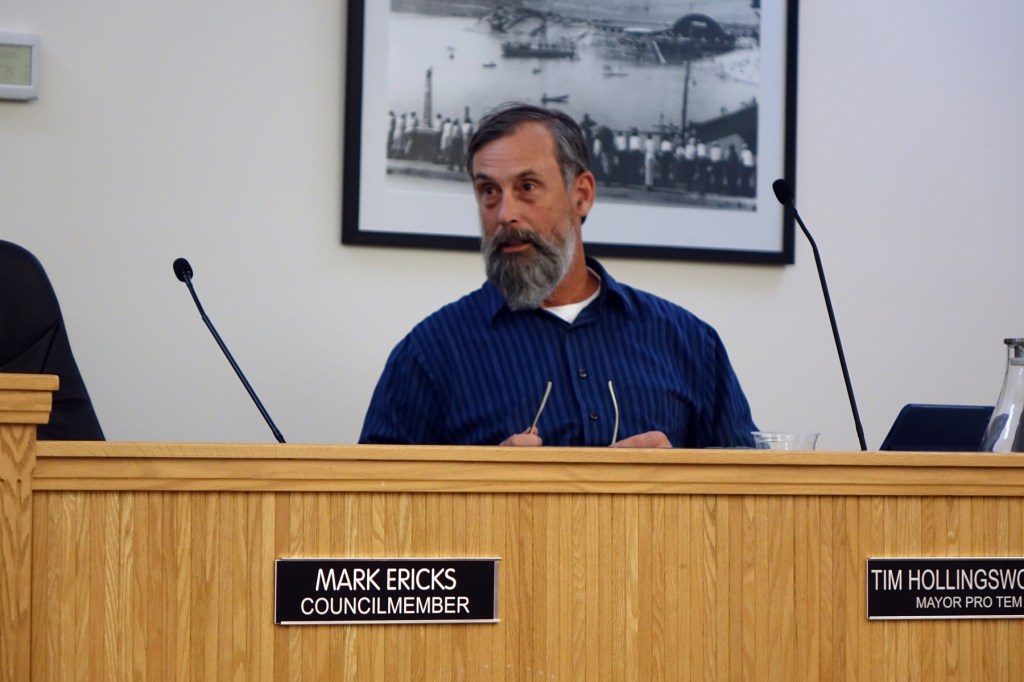
Tim Hollingsworth suggested an amendment to the contract.

Hollingsworth admitted that the council doesn’t know what the chamber is spending money on. “Right now we don’t know and are just second guessing.”

Mayor McCardle replied that the chamber has to report exactly what they are doing (in the new contract). She stated that the city needs to take a look at what is spent. However she said that for every dollar spent, the city gets back $2.5.

Hollingsworth added that it is lodging tax money. “We are not limited to how we spend it.” He then mentioned the Golf course and that the city needs to find a way to make an investment. “We did determine we could use lodging tax money for this.” Hollingsworth stated he would support the contract as it is.

He then suggested an amendment to the motion as follows: “I move to authorize the mayor to finalize and execute the LCCC Lodging Tax Fund Agreement subject to the following changes:

  • 1.- Sec. 5 (c) Remove the words “not fall below” and replace with “not to exceed $750,000.

Final Agreement Change

5c. Minimum Funding Guarantee. Notwithstanding any other provision of this Agreement, the combined total reimbursement paid to the Chamber for Advertising and Promotion Services and Visitor Information Center Operations shall not exceed $750,000 in any Agreement Year during the term of this Agreement.

Chamber Reporting Requirements.

 a. Annual Report: The Chamber shall submit a written annual budget and performance report to the City by January 15th of each calendar year for the upcoming year. The report shall include:

(1) Overall Performance Metrics: i. Lodging Tax collection growth, overall as well as Q1 and Q4; ii. Sales Tax growth, overall as well as Q1 and Q4.

(2) Traditional Marketing Performance Metrics, including but not limited to: i. PR impressions by target audience; ii. Social media engagement by platform iii. Website traffic (e.g., page views, unique visitors); iv. SEO key words and click-thru rates v. Social media engagement (e.g., followers, engagement).

b. Mid-Year Review: A mid-year discussion shall be held during the July Council Workshop of the current calendar year. The review shall include: (1) Review of year-to-date Lodging Tax collections and marketing performance as defined in section 4; (2) Adjustment to Q4 strategies if necessary.

c. Quarterly: during the April, July, October and January workshop, a Chamber representative will provide an update on marketing efforts to City Council.

d. Monthly Expenditure Reports: Payment shall be made following the receipt of a report from the Chamber showing the previous month’s expenditures. The report shall be submitted by the 5th business day of each month and include: (1) Date, vendor, check number, and purpose of each expense; Page 4 of 7 (2) Categorization of expense (e.g., Wages, Supplies & Materials, Marketing, Legal & Prof. Fees, Permits, Utilities, Insurance) (3) The City percentage of each expense. (4) Any other information reasonably requested of the Chamber by the City, provided that the Chamber is permitted adequate time to prepare the information requested.

Public input: John Olson, a past city council member told the council that the City of Chelan is falling behind in its infrastructure needs. He mentioned the burgeoning second home sales, the population, number of retirees and new developments like the Wiedner Apartment
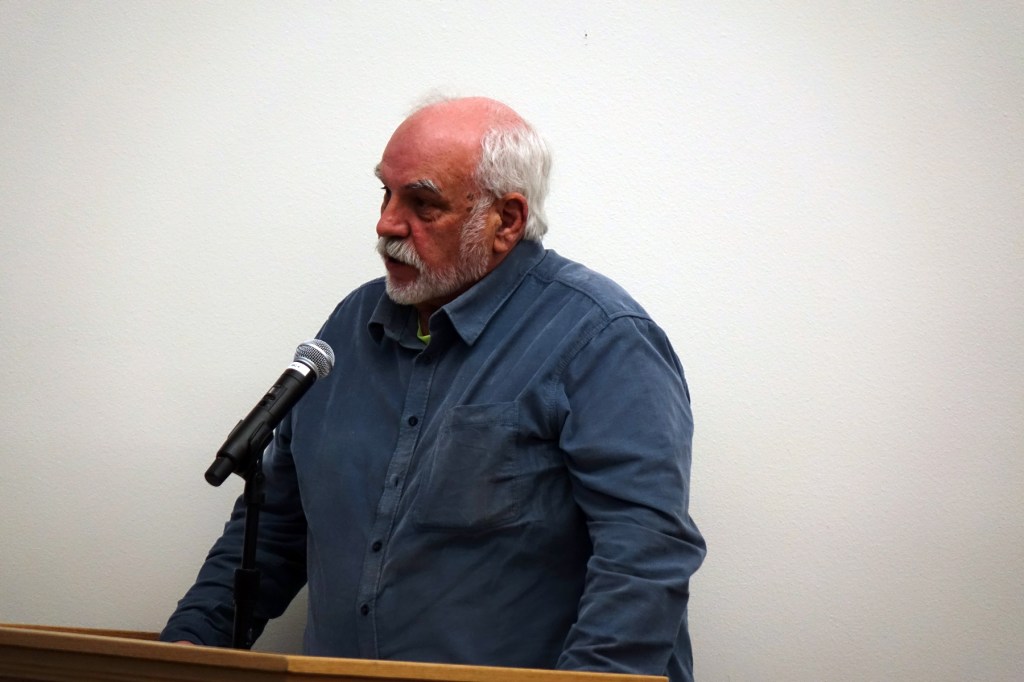
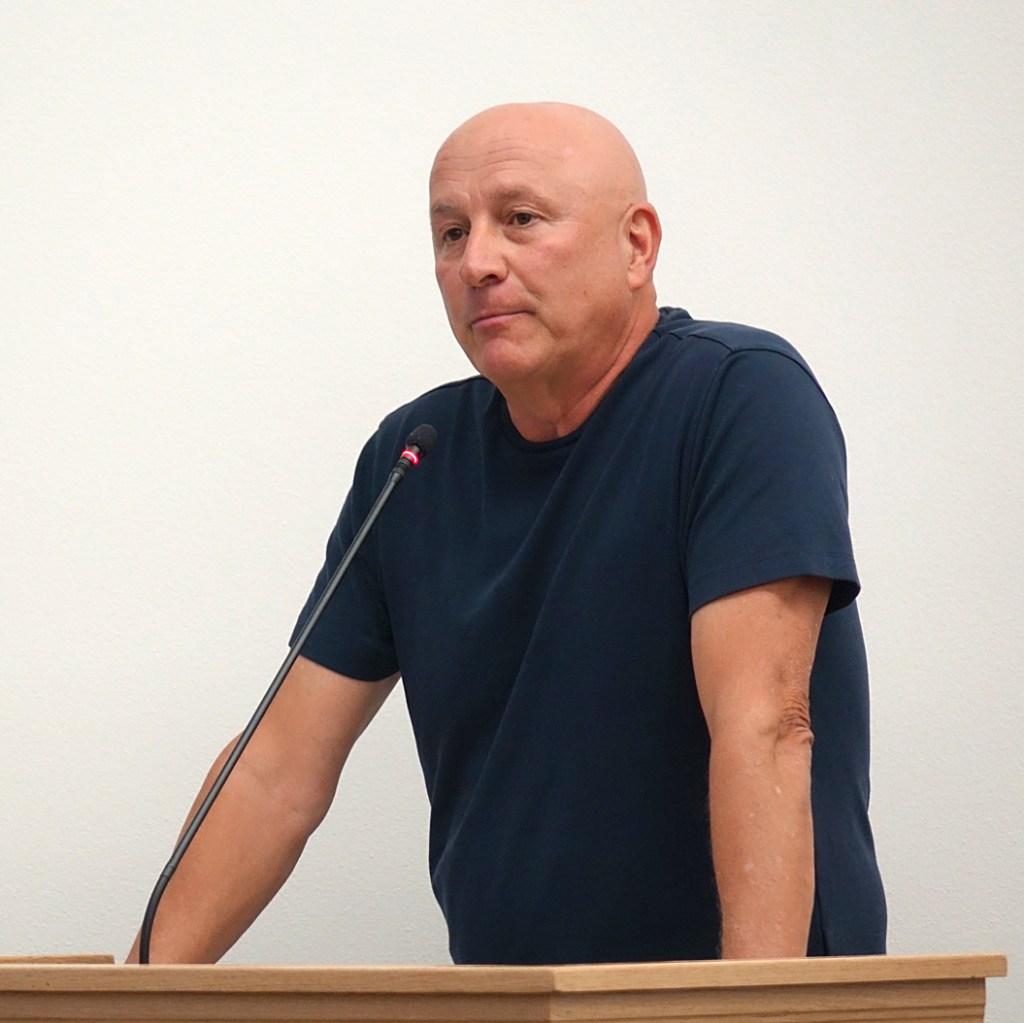
Citizen advocate John Olson reminded the council that the city is falling behind on infrastructure needs despite the growth.

Tourism:
Tourism in Chelan and around the world has become a double edged sword. Tourism has surpassed agriculture as the Valley’s number one economic driver.

In 2020, lodging tax receipts hit $1,357,013 which is the year that COVID hit and began to shut down air travel and other vacation locations. The pandemic drove lodging tax receipts up to S2,602,445 and $2,019.330 in 2021 and2022 respectively. Since then, receipts have remained above the $2 million mark.

With the increase in lodging tax receipts (more heads on beds) some unintended consequences arose with overcrowding at Chelan and other Valley public parks. Most notable were major issues of overcrowding at Lakeside Park which resulted in residents forming “Friends of Lakeside’ coalition to bring the overcrowding issue to the City Council.

Last summer, Lakeside Park overflowed with visitors.

This overcrowding issue didn’t just materialize from out- of-town visitors. It also included weekend issues wherein local users of Lakeside would show up at the park early in the morning, set up tent camps for large family gatherings that included loud music, barbeques and potentially illegal consumption of alcohol.

The Friends of Lakeside and the City worked together to change the city’s park rules that will hopefully eliminate most of these issues. To help, new signage, new parking kiosks and $100,000 contract to a company to help enforce those rules.

Don Morse Park also receives its quota of visitors on a hot summer day.

In 2024 there were over five million visitors to North Central Washington. Over 10 million visitor days were recorded with July and August being the busiest months.

“International travel to the United States has plummeted in recent months following President Donald Trump’s return to office, with global tourists increasingly avoiding the country due to fears of detentions, deportations, political rhetoric, and heightened border scrutiny,” Travel and Tour World wrote in a March report.

The steepest drop off in travel to the US comes from Canada. Border crossings fell by 12% in February and 18% in March. Tourism industry losses could exceed $90 billion dollars this year.. If the above reports are true the 2025 tourism season should be calmer with the advent of the current federal administration’s trade wars that will keep Canadians and other international travelers from visiting the Lake Chelan Valley.


Lakeside Park residents demand city to take action on parking and overcrowding in the community

by Richard Uhlhorn

Anytime you walk into Chelan’s council chambers and it is full of people, you know something is up. Tuesday night’s council meeting had a number of Lakeside residents on hand to speak during the “Citizen Comments” period. Their concerns, of course, was Lakeside Park overcrowding, parking, safety issues and a request for some resolution to the problems.

Lakeside Park and community has become an overcrowding issue with its residents.

Lakeside Park overcrowding and parking along other issues has reached a boiling point with Lakeside residents and they were at Tuesday evening’s City Council meeting in force.

Twelve residents signed up to voice their concerns over the lack of any enforcement at the park. “All day long people were desperately looking for parking. Cars all day long,” stated Tammy Haig. “There was a feeling of tension in the air. At one point, I thought something might explode.”

Tammy Haig

Haig asked if the city was going to create a baseline with the Lakeside Trail and street ends in hopes that it might disperse recreation. “It (July 4) was a very intense day.”

Stan Morse remarked that visitors were parking across the street from his house leaving no room for emergency vehicles to get by in case of fire. “My hillside is ripe for wildfire. We live in a one road in and one road out of town with 2,000 to 3,000 people.”

Stan Morse

Another resident, Janet, said she didn’t feel comfortable taking her granddaughter to the park. “Lakeside Park has been overcrowded since 2020,” she stated. “People start arriving at 5 a.m. Vehicles are going round and round all day long. I counted 107 vehicles per hour.”

She added that she is asking for the city to limit capacity at the park. “Visitors are also at risk.”

Another resident requested discourse immediately with the city to see what the resolution to the issues might be.

Barry De Paoli told the council that he has lived in Lakeside for 22 years. “We have a town of 4,700 versus 5,500 visiting Lakeside on a weekend. Imagine what it looks like, 2,500 to 3,500 people per day.” De Paoli said the issue is at a breaking point. He mentioned overuse of alcohol, poor signage, and zero enforcement. “Residents can no longer sit back and watch the problem.

Barry De Paoli

“We are asking to be included in the process going forward. A meeting in October with the Mayor and others. We need a healthy balance. I know we can achieve a positive outcome.

Other comments mirrored those above and several asked if requiring reservations to get into the park might be a solution. It was also stated that the city needs to pay for monitoring the situation and enforcing the parking.

Don Morse Park might provide some relief for Lakeside residents. It’s much larger and can handle more traffic, but is also busy during the summer months.

Our Valley Our Future update:
Steve Maher was on hand at the city council meeting to give an update and summary of the outreach results from the Lake Chelan Vision Project.

He provided survey results and feedback gathered since June, 2023 during individual and group listening sessions.

“We had an excellent response,” said Maher. 550 responses were gathered between June and August which included eight listening sessions with 142 people participating and 10 or 11 interviews with stakeholders. “We struggled to get younger folks to participate,” said Maher.

Some results:
Housing was the number one issue by far stated Maher. “Families have to move away because of housing. It’s the biggest challenge,”

Paid advertisement

The rapid growth is one of the biggest challenges. There were calls to manage growth better. There is a desire to maintain the smalltown feel. The respondents remarked that the valley was going away from growing apples to growing grapes and housing.

Increasing traffic and traffic congestion was another issue along with Short Term Rentals adding to the traffic congestion.

The positive things is the new hospital and Wal Mart according to some.

Wildfire and smoke was another issue on the respondents minds.

Maher stated that the next step will be developing community values from what was gathered and would be delivered by the first week in October. “Things are going really, really well,” Maher said.

This information will serve as the foundation for the core values framework in the 2026 Comprehensive Plan update, which is currently in its early stages.

Paid Advertisement

City 2025 Legislative Agendas:
East Chelan Reservoir Project:
The city is seeking $7 million from the State t complete the design and construction of the East Chelan Reservoir Project.

Current funding sources include a Tax Increment Financing (TIF) program initiated by the City. Another $9 million is making its way through the Senate in Washington D.C. after passing through Congress. These funds would come from the Water Resources Development Act (WRDA) if approved by the Senate.

Regional Transportation Study – $$??:
The city is seeking increased state funding to its regional transportation MPO, so the Chelan-Douglas Transportation Council can conduct a transportation study to solve critical safety issues.

With over 650,000 tourists visiting the valley each year, the regional transportation system experiences localized failure. Chelan is the center of all transportation in the valley.

Funding would be used in partnership with the CDTC, Chelan County, the Colville Confederated Tribe, WSDOT and the community of Chelan to conduct a regional transportation plan to better evaluate interconnectedness in the Lake Chelan Valley.
Downtown Revitalization – $3 million:
The city and the Historic Downtown Chelan Assn. is seeking $3 million to invest in construction of Phase 1 of the downtown revitalization project which will upgrade failing infrastructure, enhance the downtown business core and create welcoming public spaces.

Northshore Pathway – $2.8 million
The Northshore trail would solve critical safety issues for pedestrians and cyclists along the lakeshore connecting Manson and Chelan.

  • Other top issues:
    Housing
  • Environmental sustainability
  • Planning and infrastructure
  • Fiscal sustainability.

Transportation Improvement Program Survey Findings:
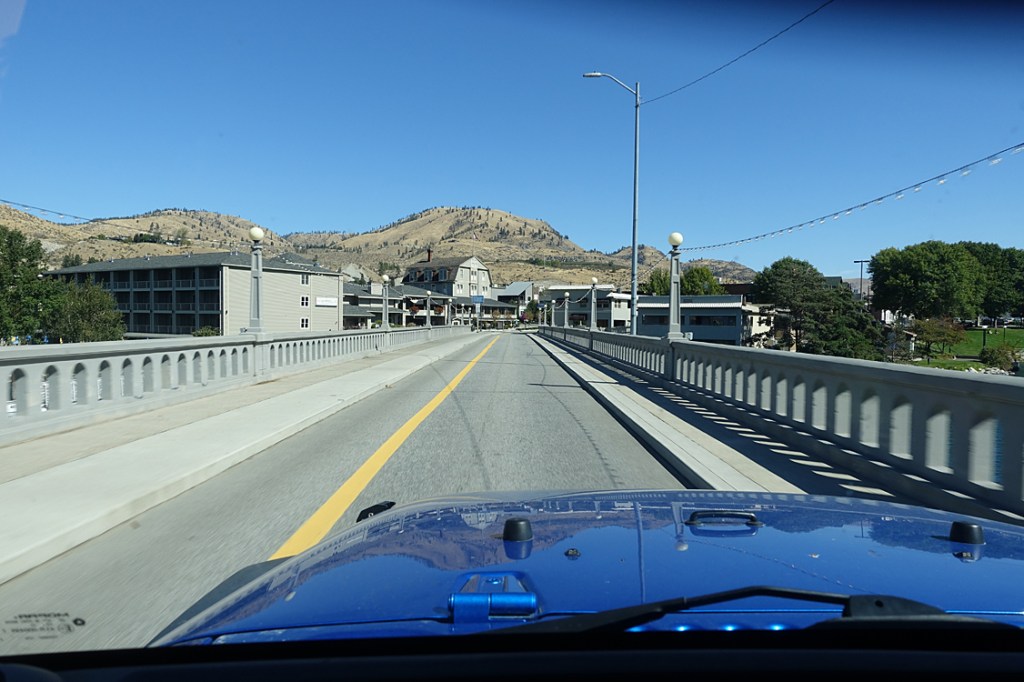
“What are we going to do about it,” asked Communications Director Chad Coltman. Traffic congestion was the big issue respondents felt the city needs to address. Seventy two percent of the respondents would like to see the Woodin Avenue Bridge returned to two way traffic in hopes that it would alleviate downtown congestion and open a secondary evacuation route.

Seventy two percent of Chelan’s residents who responded to a survey requested that the Woodin Avenue Bridge be returned to two-way traffic.

The other option was to reverse the direction on the bridge to move traffic out of town. My opinion: I would like to see the traffic on the bridge reversed for an actual traffic study done during the high season to ascertain if it would actually help relieve traffic congestion on Johnson Avenue and Sanders Street to the light.

Public Works Director Jake Youngren said, “Regarding the return to a two-way bridge we will invest some time and effort to what that (process) looks like.” Mayor McCardle replied that hard cost numbers need to be assessed.

Councilman Bob Goedde has been a proponent of making the bridge two-way and reiterated his desire to see it returned. Youngren replied that the city has to be careful.

Councilman Brad Chitty stated that it was a hot topic and suggested that taking the foot traffic off the bridge might be an option. “There are other options out there.

Mayor McCardle stated that the most respected traffic consultants in the nation have provided actual traffic data for May through August.

Residents responding to the survey and attending the transportation meeting also want to see better walking/biking paths on both the south shore (in the works for construction in 2025) and north shore to ensure pedestrian safety.

Other issues that the public would like to see include:

  • Dedicated Parking areas
  • Better walking and biking paths
  • Improving intersections
  • Enhancing public transportation options
  • Safer access to schools

Mayor McCardle stated that the city has the tools to move forward and have identified which projects to move forward with in the next two years.

HR/Communications:
Chad Coltman remarked that offers are out on the three major job opportunities within the city and that he is excited about the pool of talent that wants to work with the city.

Chad Coltman

Mayor/Council comments:
Jon Higgens warned the council and staff that when “You step on toes and go in a different direction, people will stop engaging.”

Terry Sanders said the city has a good start on the issues. “Huge thank you to the Lakeside residents. I’m looking forward to common sense solutions”

Mayor McCardle talked about the valley’s tourism impact study which addresses the many impacts tourism has on the community. She also remarked on how much work it takes to run the city. Mentioned the upcoming Transportation Benefit District that is on the ballot in November and raises the sales tax a mere .03% (or 30 cents on every $100 spent on taxable goods. She wants the community to know that the city council is responsible for spending taxpayer dollars.

The next council meeting is on October 8. The community is welcome to attend.

Manson Community Forum attracts 93

By Richard Uhlhorn – June 24

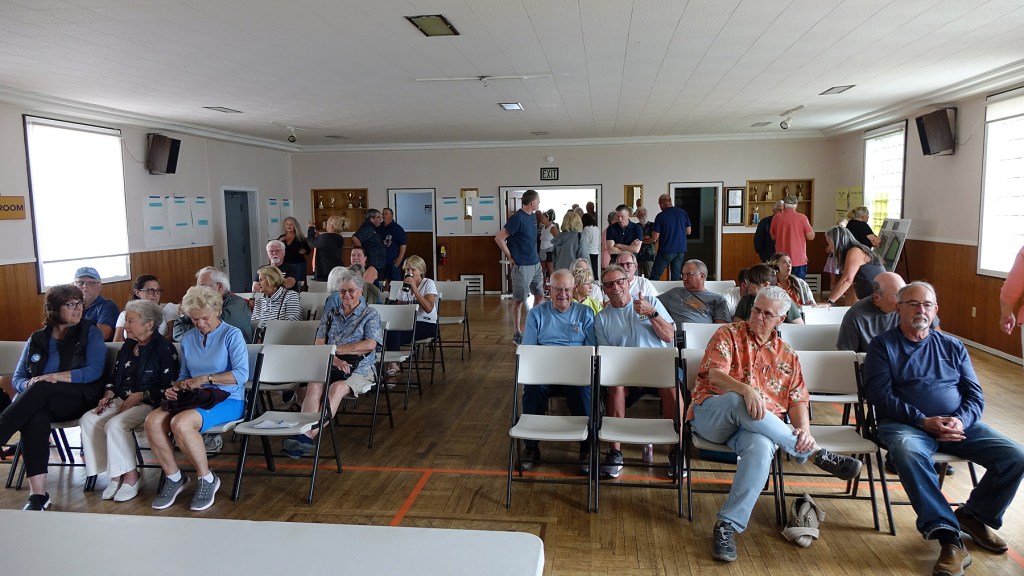
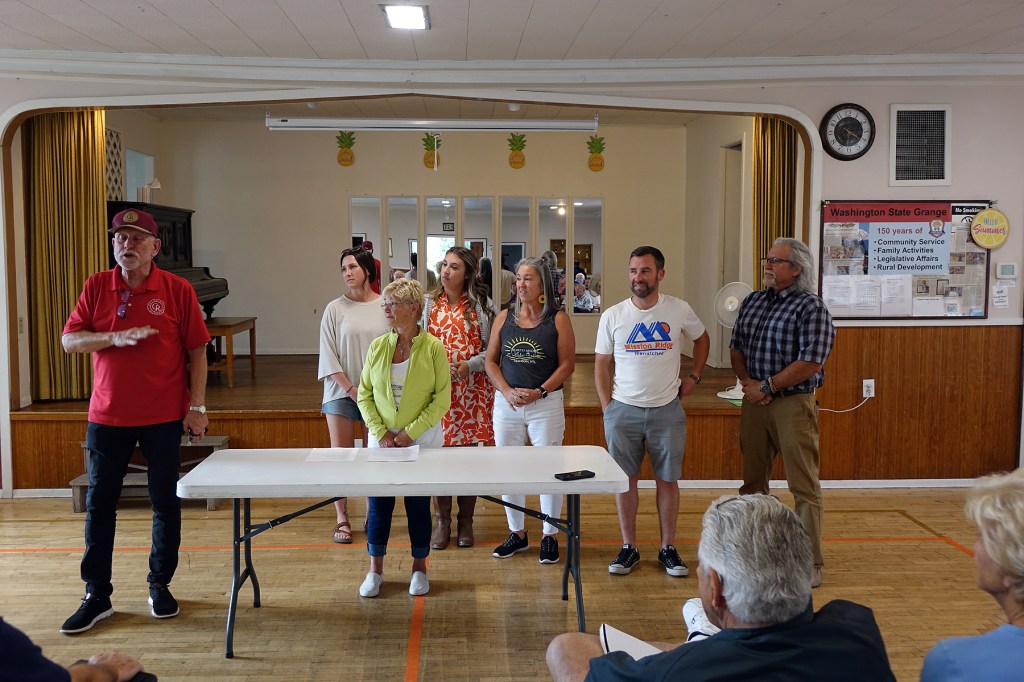
A number of projects were highlighted at the Manson Community Forum held at the Grange Hall on Tuesday, June 18. Ninety three people were in attendance to hear from the Manson Chamber of Commerce, Manson Parks Department, Manson Community Council and Chelan County Fire District No. 5.

Ninety three Manson residents attended the Manson Community Forum on June 18.
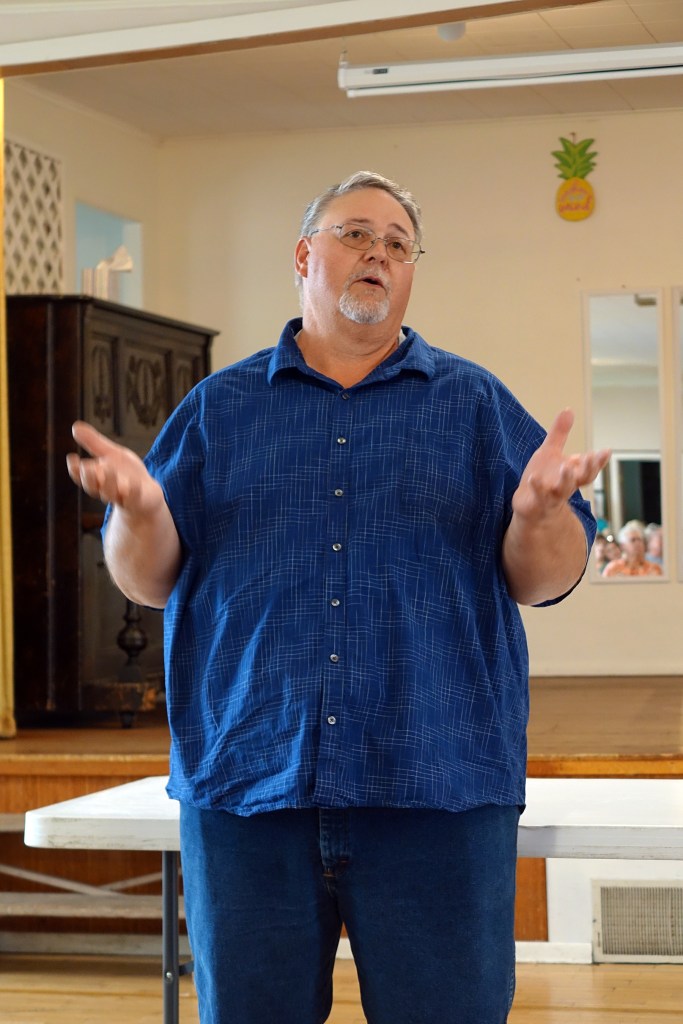
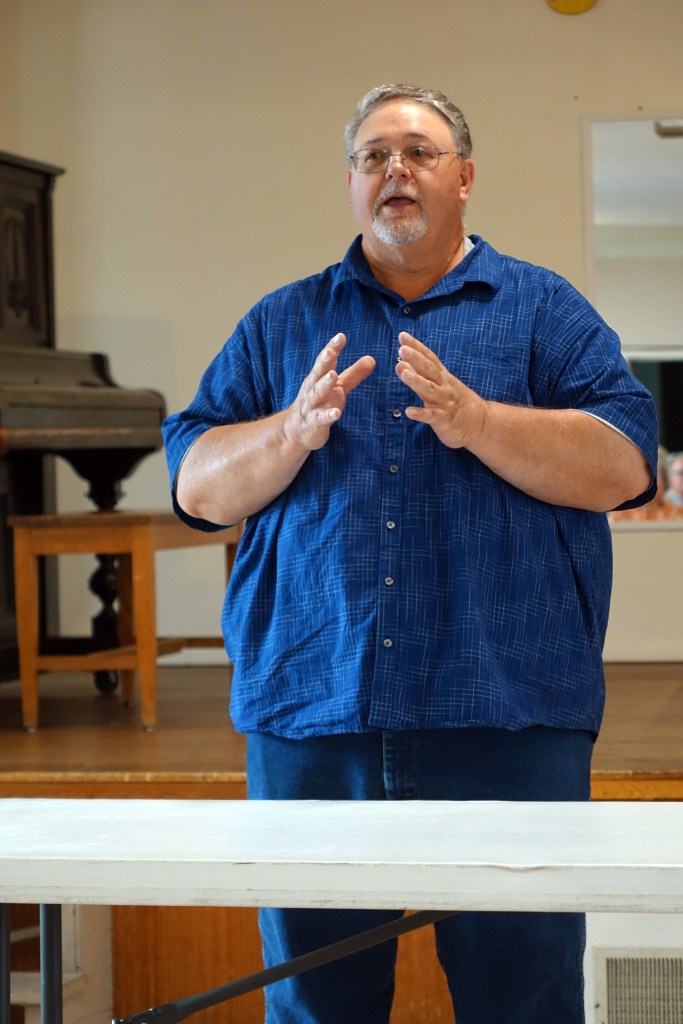
Manson Community Council Vice Chairman Chris Willoughby moderated the Forum. Willoughby is also a District 5 Fire Commissioner and a candidate for the open County Commission seat.

Chris Willoughby, moderator for the evening and vice chairman of the Manson Community Council told those in attendance, “I hope this meeting works for you.” He added that there would be another community meeting in the Fall.

As a candidate for Chelan County Commissioner, Chirs Willoughby graciously gave his three opponents an opportunity to talk.

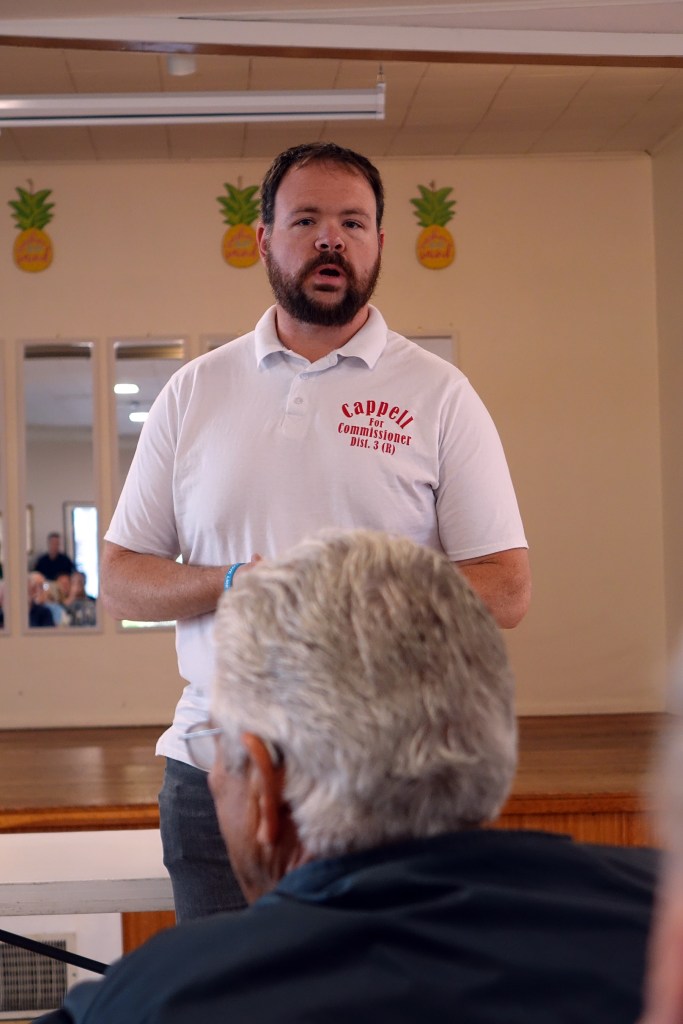
Brant Cappell, a former staff assistant for Representative Keith Goehner is also a candidate for Chelan County Commissioner.

First up was Brandt Cappell. Cappell has been Representative Keith Goehner’s staff assistant told the audience that he wants to make sure that “we have good representation with the county.”

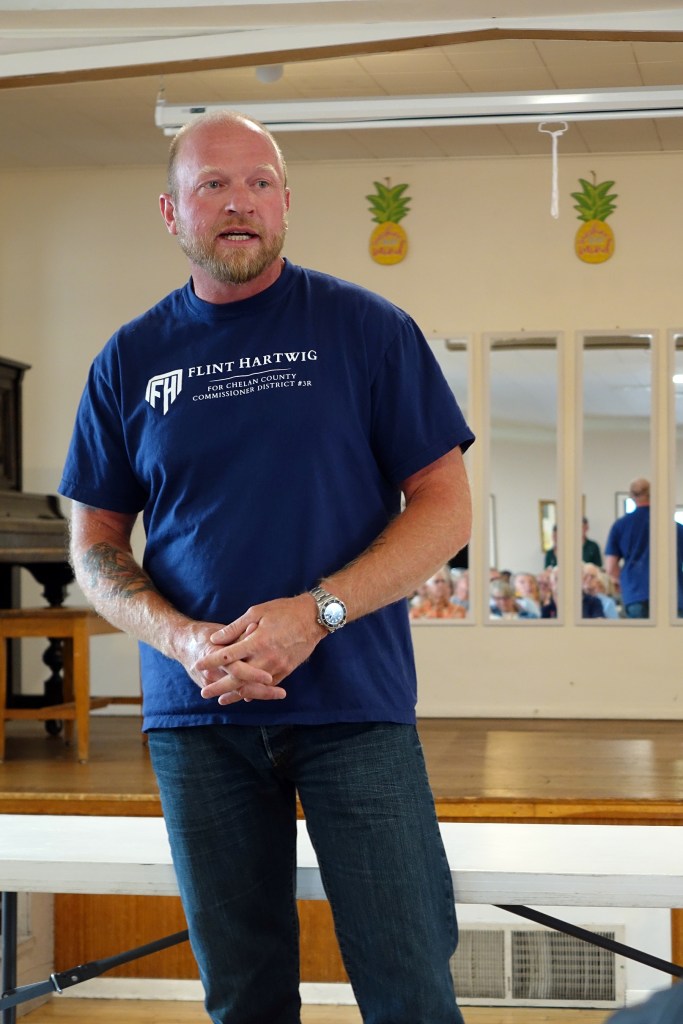
Retired developer Flint Hartwig stated that he wants to get the County’s essential services done. “I want to get stuff done… get stuff built… fix the potholes… roads, the essential services of Government. “I am very heartened to see you all showing up,” said Hartwig. “I mean that.”

Senator Brad Hawkins said he will bring a lot of experience to the table. “I want a balanced budget and reduced wildfire risk,” said Hawkins. He also stated that it was awesome that Chris Willoughby allowed them some time to speak.

Flint Hartwig is a retired developer running to Chelan County Commission.
Senator Brad Hawkins, is also a candidate for Chelan County Commissioner.

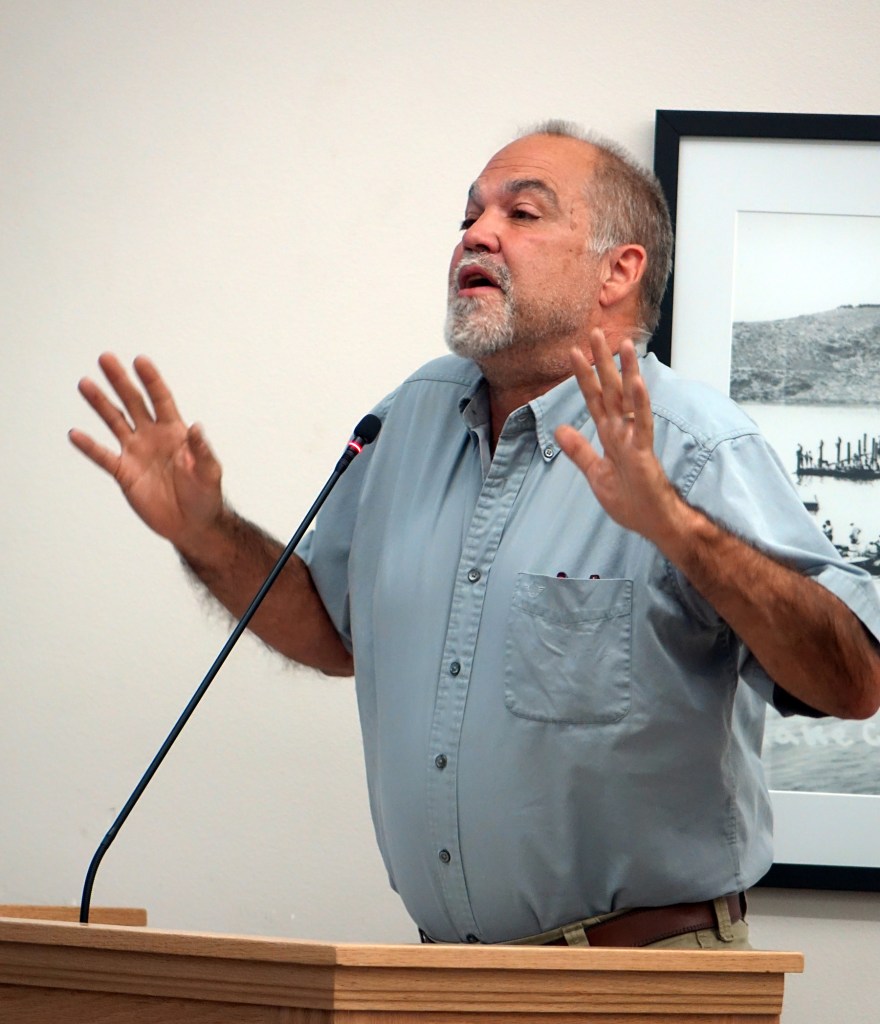
Chris Willoughby informed the audience that he grew up as a farm kid and is stlll an apple orchardist. “I’m community first,” said Willoughby. He added that it is important to confront the issues at hand like the failing agriculture business in the Valley.

Chris Willoughby, a Manson Apple Grower and community advocate is also running for the Commission seat.

Fire District No. 5:
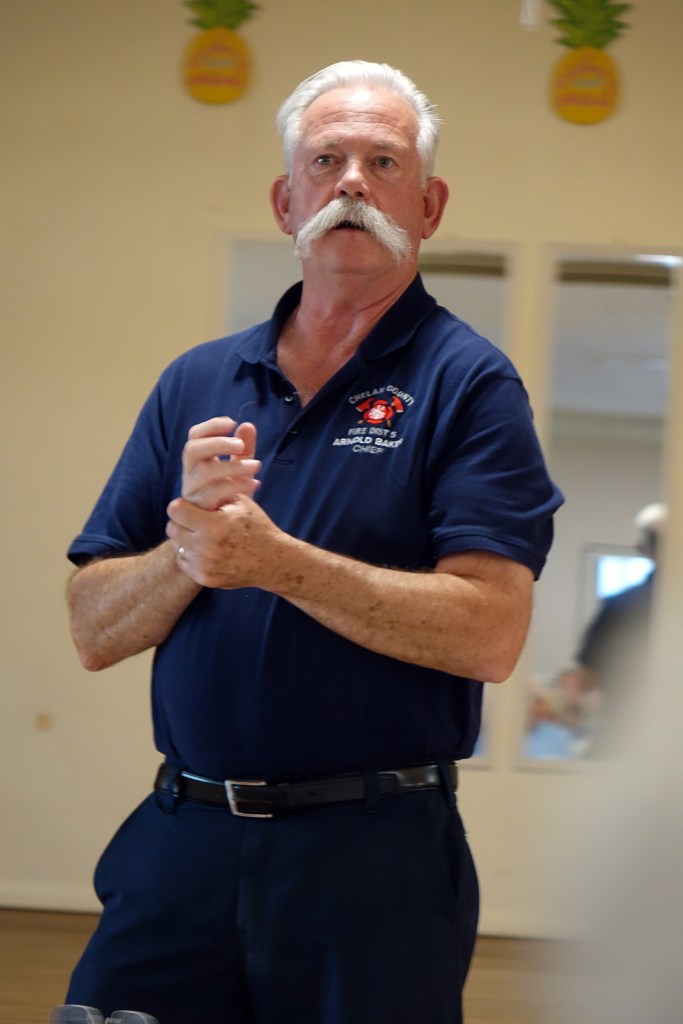
Chief Arnold Baker stated that the Pioneer Fire currently burning up lake is a little bit concerning. He mentioned that the Incident Command has heavy equipment reinforcing Grade Creek and opening up old fire breaks from Coyote Ridge all the way down to Lake Chelan. “This fire is going to be  here all summer,” said Baker. His concern is a wind event that spots the fire towards Manson.

“In 2002 we had the Deer Point Fire and in 2001 the Rex Creek Fire.” The Deer Point Fire threatened Manson and Rex Creek Fire where the Pioneer fire is currently burning, burnt 60,000 acres.

The 2001 Rex Creek Fire where the Pioneer Fire is currently burning, burnt 60,000 acres before winter set in. The Pioneer Fire is burning deadfall from that fire. Photo by Richard Uhlhorn from Junior Point.

“My job is to plan for the worst,” said Baker. “We are in the planning phase.” Baker went on to say later in the presentation that Manson has lost its green belt to housing developments.

2024 Levy:
Baker told the audience that the 2014 Levy is expiring at the end of the year. Property owners are paying $.89 per Thousand and that with the increase in Manson’s property values, the District will be asking for $.75/$1000.

Manson’s fire district is completely volunteer based with only three paid positions. “We are not going to stop recruiting,” said Baker. Six to seven volunteers are still in training to become certified. The District also has some younger volunteers who are interested in Fire as a Career Path.

Fire Chief Arnold Baker

The District is in the process of building an 8,000 sq. ft. Training Facility which will include a residency program. “We’ve already got districts wanting to be a part of the residency program.”

Foundation permit applications are in to the County and Baker hopes to begin construction next spring. The training center will train firefighters how to fight structural fires and wildland fires. Baker also remarked that Chelan and Manson are training together. “The good old days are back when we can work together.”

The District and Hospital/EMS provide Advanced Life Support and the fire department is certified to transport victims

The new Levy will be on the August ballot. The levy that is retiring was a 10-year levy, but Baker said the new levy will be permanent. “I can’t tell you how to vote,” said Baker, but a loss at the polls would cost the District approximately $400,000. “That is going to hurt.”

Manson Chamber of Commerce:
The Chamber is operating with nine board members and is looking for more volunteers to carry out their mission.

The Manson Chamber of Commerce Board of Directors and Executive Director Timi Starkweather.

Executive Director Timi Starkweather stated that she is excited about how the Chamber is going to grow. Projects the Chamber is working on includes

  • Painting the downtown light posts
  • Developing pocket parks

“We’ve partnered with Wapato Point for pickleball,” said Bill Swayne. “We really want to build that into a National event.” The last event had 160 to 200 players but the Chamber is hoping to build the event to 300 to 500.

More information is available at https//mansonchamber.com. The Chamber is open from 9 to 5, Monday through Friday and then from 8 to 5 on Saturday and Sunday.

Manson Parks:
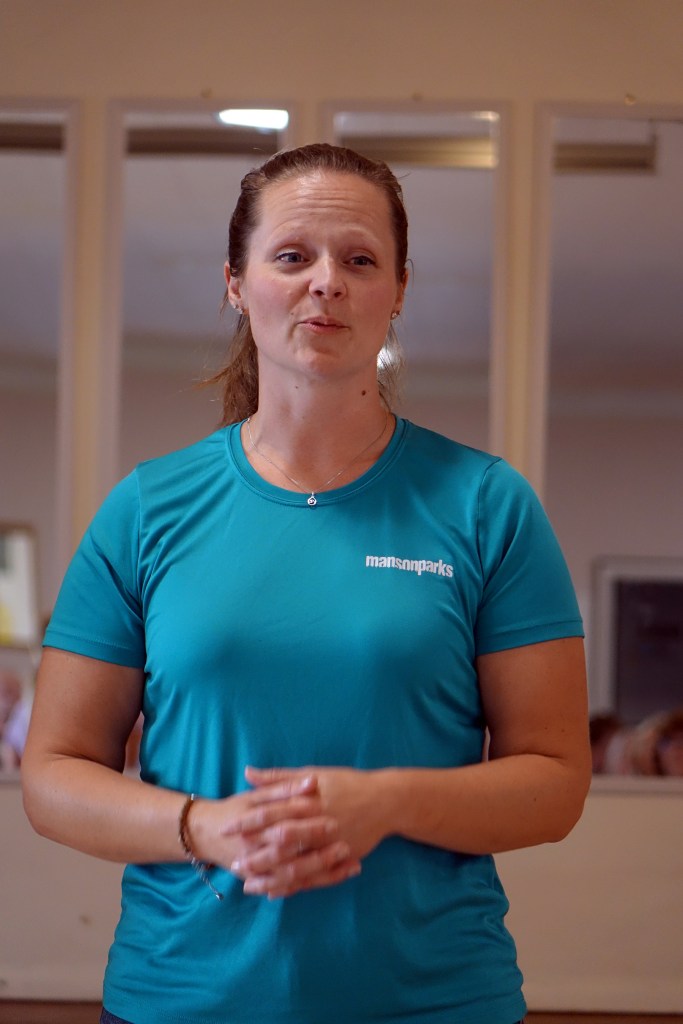
Robin Pittman, director of Manson Parks began her presentation with weekly events that take place. The department has an AAU program for baseball, basketball, T-Ball and soccer.

Manson Park Director Robin PIttman.

Pittman detailed the department’s big upcoming projects which include the new bathroom at Willow Point, the Dog Park at the Old Swim Hole which is fully funded. This project will also include a non-motorized dock for kayaks and canoes and a board walk from Park to Park. “This is funded through the Public Power Benefit Fund,” said Pittman. The cost is $1.3 million dollars. This project has to be completed by 2025.

The department has brought back lifeguards at the Manson Bay Park. “We are the only swimming area that has lifeguards in the Lake Chelan Valley.
The Chelan Swim Foundation offers free swimming lessons because of generous donations from the public. “It’s brought to you by you guys,” stated Pittman.

Leffler Field was jointly purchased by Manson Parks and the Manson School District. “We are looking at buying the School District out,” said Pittman. “That will free us up for more grants,” She added. The cost for the buyout is $575,000.

The field has a lead/arsenic which will be capped. Two development plans were offered at the meeting for attendees to participate by putting colored dots on what they liked. LINK Transit has proposed building a transit center at the property.

Old Mill Park
“We are working with the PUD on several projects at Old Mill Park,” Pittman said. One of those projects is the development of a swimming area. Pittman noted that they can’t keep people out.
Wapato Lake Campground:
The department also takes care of the campground at Wapato Lake.

Pittman thanked everyone for passing the Park’s levy. “It’s the barebones things that are important,” she said.

Agritourism is probably dead in Chelan… not the valley!

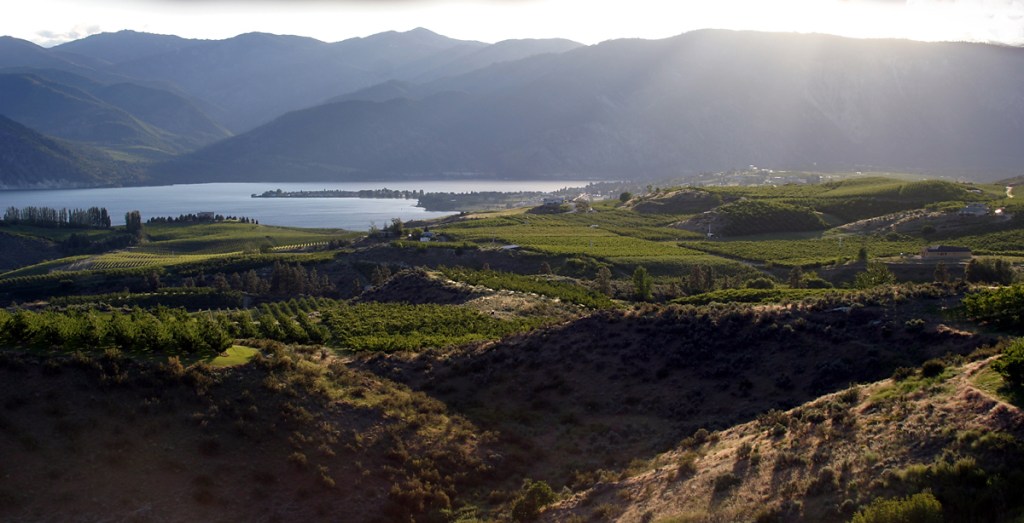
The rolling hills of the Lake Chelan Valley used to be full of apple orchards. Today, as growers fail due to increasing growing costs, regulations and other forces, the orchards are taken out and replaced with subdivisions, vineyards and wineries.

by Richard Uhlhorn

AGRITOURISM
“The apple industry has been in trouble in the Lake Chelan Valley for the past several years,” said real estate broker, Bob Knauss of New Horizon’s Real Estate. “The problem is that everyone is getting a paycheck except for the grower.”

Several growers in the Manson Project that I’ve talked to have either received a bill from their warehouse or just haven’t made any money from their crops over the past several years.

All of this can be attributed to rising labor costs, declining returns on investment, more regulations like overtime requirement for ag. workers, and a declining environment for small scale operations.

This raises the obvious question; Is farming, as in growing apples, sustainable in the Lake Chelan Valley and can agritourism be the savoir of what remains of what once was one of the World’s best apple growing regions? The answer is probably not!

paid advertisement

The City of Chelan has been struggling to update its Agritourism Code to allow growers to remain in business.

The entire subject of Chelan’s agritourism code came up when developer Tim McDonald’s Bluewater Terrace application to develop 20 homestays, an event center and winery with production facilities on family property utilizing the City’s current agritourism code.

McDonald, who claims that he was led to believe over the past seven years that his application would be approved had the rug pulled out from under him when the Chelan County Hearing Examiner ruled that his 20-homestay proposal on his application would not be allowed, but that he would be allowed to construct his winery and event center.

The proposed 20 homestay units was the monetary grease that would allow McDonald to move forward with the project. However, the old orchard land which was annexed into the City as a potential residential subdivision has no current agriculture on it. McDonald wanted to plant five acres of grapes to meet the agritourism code.

In meetings that has included the public, Planning Commission and City Council, John Ajax, current Community Development Director, has been seeking input to help rewrite the agritourism code in hopes of retaining agriculture in the City.

The input has not been helpful. Having discussed the issue with several old orchardists, one current grower, a Planning Commissioner, a past City Councilmember and John Ajax, himself, a code change allowing a more agreeable code to help preserve orchards is probably a non-starter to helping preserve small orchard plots, particularly when the land, according to Olson is much more valuable as real estate.

The retired growers, Mark Gores and Harold Schell, both stated that it costs upwards of $250+ per bin of apples delivered to a warehouse. If the variety being delivered is not making money, the grower comes away from a year of expenses without anything in his/her pocket.

The reality is that within the confines of the City and UGA, there are only 300 acres of orchard left and depending on what variety the grower is producing, these orchards may disappear in favor of the real estate value of the land.

Regardless of what the Planning Department does, they have until the Comprehensive Plan update to consider killing it, writing a new code for agritourism, or just leaving the current code alone.

City Planning Department struggling with Agri-Tourism issue

by Richard Uhlhorn

On Wednesday, April 17, Community Development Director John Ajax brought the Agri-Tourism issue to the Chelan Planning Commission for discussion and recommendations prior to amending the City’s current code and policies surrounding the issue.

Community Development Director John Ajax asked the Chelan Planning Commission for some direction on potential changes to the City’s current Agri-tourism code.

Ajax stated that the discussion would be a continuation of the commission’s previous discussion. “I’m hoping you will weigh in on this,” Ajax said. He added that both Tim McDonald and Brian Patterson were on hand to discuss ag-tourism.

At issue is what defines ag-tourism within the City and its Urban Growth Area (UGA). McDonald had a portion of his Bluewater Terrace development application denied by the Chelan County Hearing Examiner. His application included development of a winery, an event center and for up to 120 vehicles and 20 homestay units. To comply with the City’s current code he would plant five acres of grapes to fulfill the agricultural aspect of the application. The Hearing Examiner denied the homestay units but approved the winery and event center.

Originally, ag-tourism was designed to provide orchardists a method to offer a homestay to help offset some of the costs of operating a working farm so it could remain in agriculture.

Ajax explained that the 2014 ag-tourism policy “doesn’t take into account someone wanting to start a working farm.

Currently the City now has only 160 acres in orchard plus another 69.2 acres in the Urban Growth area. “It is very clear that agriculture operations are being removed and the land is selling for residential development,” said Ajax. Conversely, the City and UGA have a total of 72.7 acres of vineyards.

Tim McDonald, whose Bluewater Terrace application was only partially approved by the Hearing Examiner, told the Planning Commission that, “We’ve been at this for seven years and doing everything we were told and got the rug pulled out from under us. We are asking for a CODE correction.”

McDonald went on to say that his family has been trying to do something productive with the property for 20 years. “We’ve done exactly what we were told to do. This is a financial hardship for our family.”

Brian Patterson, in opposition to McDonald’s wishes said, “All I can say is if the City allows multiple units, it will proliferate in the Valley.” He suggested a ratio of 5 to 10 acres of agriculture for every homestay unit allowed.

John Ajax stated that Chelan is a unique place. “We need to find a balance for the owner and public interest. What we are looking for is largely around homestays with minimum acreage. How much agriculture is needed?”

A code amendment that satisfies both the public, private land owners and developers is a tough one to accomplish and Ajax is struggling with the options. His hope is that the Planning Commission will come forth with a recommendation to help him make a decision to present to the City Council.

Michael O’Neal’s residence is next to the proposed Bluewater Terrace development and is opposed for a number of reasons.

Agritourism lacks definition – From a Capital Press article:
There’s no concrete definition of agritourism, complicating matters, as people mean widely different things.

“This creates loopholes, imprecise standards for permit applications and uncertainty for farmers and decision makers alike,” states a report by 1000 Friends of Oregon who are trying to get Oregon’s legislature to write a concise code for agri-tourism.